Table of Contents
Orange County homeowners are adding ADUs faster than ever. Rental income, housing for family, extra property value—the benefits are real. But state laws say one thing, cities add their own rules, and one mistake delays your project by months.
This guide breaks down ADU types, typical requirements, the permit process, and what actually moves your project forward.
What Are the Different Types of ADUs in Orange County?
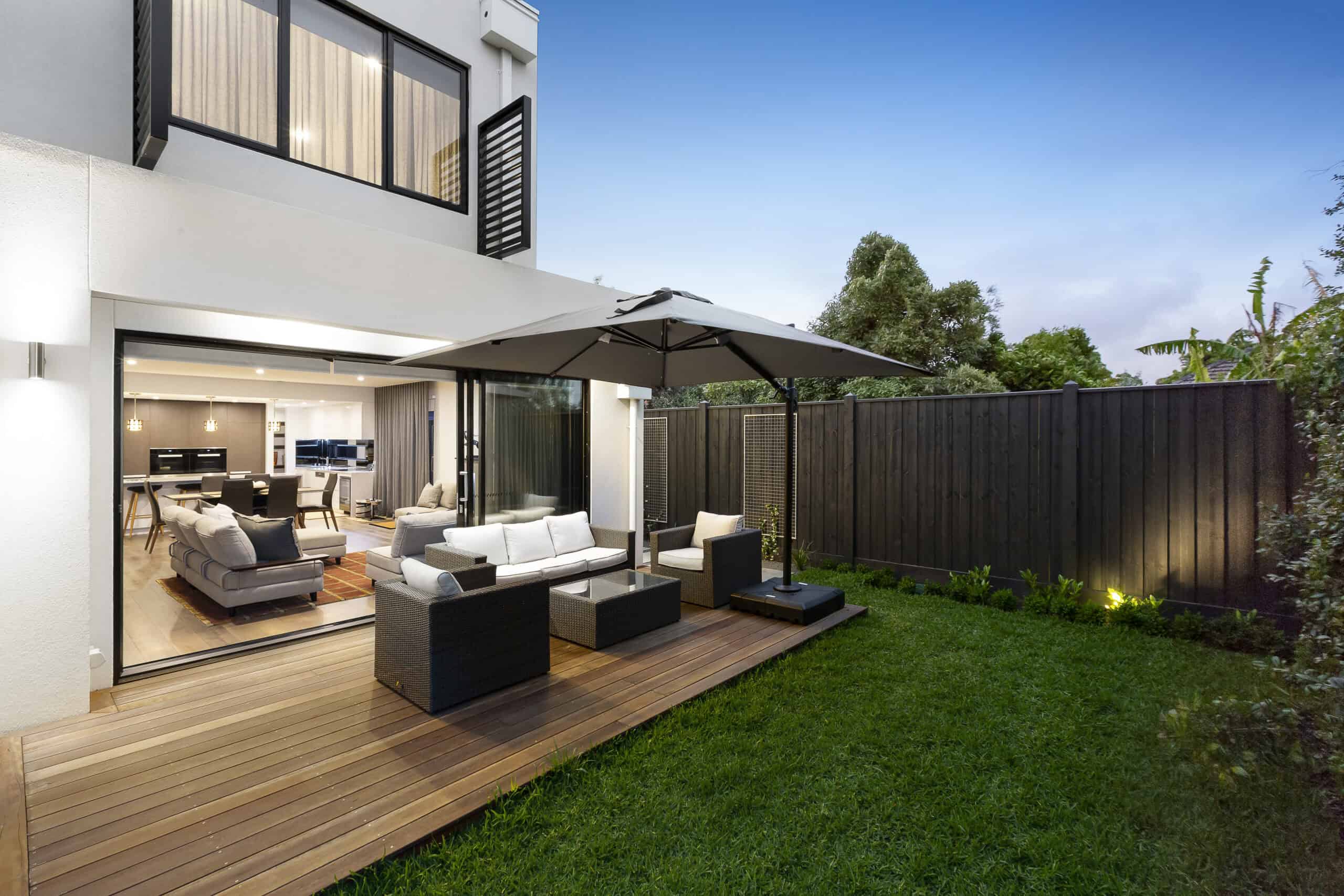
Understanding which type of ADU works for your property is step one.
Detached ADU (Stand-Alone Unit)
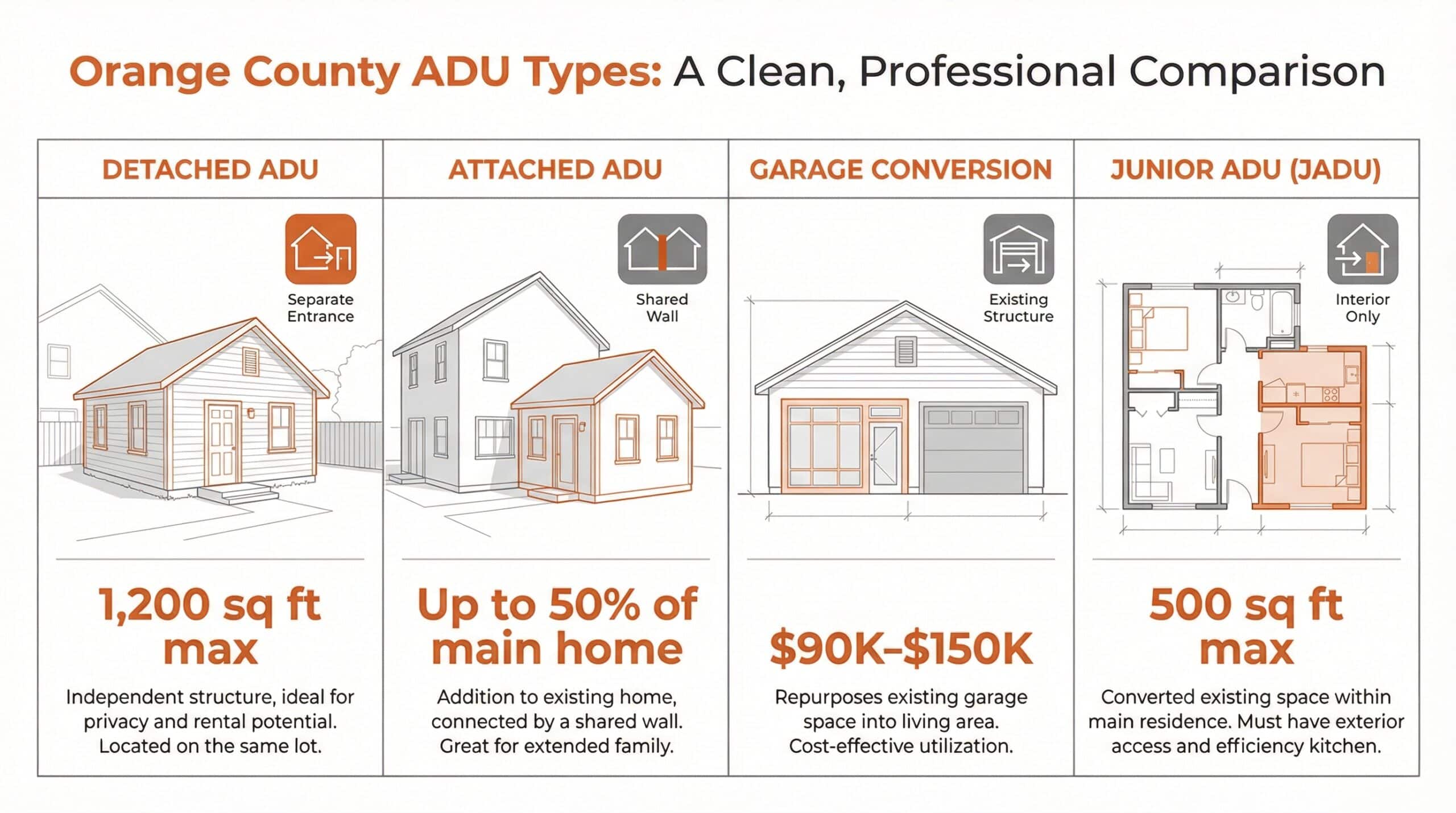
A detached ADU is a separate structure that doesn’t share walls with your main home. These typically max out at 1,200 square feet and offer the most privacy. They’re popular for rental income because they feel like independent living spaces. You’ll need separate utility connections and standard setback rules apply.
Attached ADU (Connected to Your Home)
An attached ADU connects directly to your house with its own entrance, kitchen, and bathroom. These can be up to 50% of your main home’s floor area, capped at 1,200 square feet. They’re less expensive than detached builds because you share some infrastructure.
Garage Conversion ADU
Converting your existing garage is one of the most cost-effective approaches. You’re working within an existing structure, avoiding foundation costs and extensive site work. Garage conversions typically range from $90,000 to $150,000 and are exempt from standard setback requirements.
Junior ADU (JADU) – The 500 sq ft Option
A JADU is contained entirely within your existing home, maxing out at 500 square feet. JADUs can share a bathroom with the main house and only need an efficiency kitchen. They require owner-occupancy but are great for housing family or creating a small income unit without major construction.
How Many ADUs Can You Build on Your Property?
Single-family properties in Orange County can typically add one ADU and one JADU. That means you could potentially have three units total on your lot—the main house, an ADU, and a JADU—if you meet owner-occupancy requirements for the JADU.
Good news: there’s no minimum lot size requirement. California state regulations allow almost any homeowner to build at least an 800 square foot ADU regardless of lot dimensions or floor area ratio.
Multi-family properties have different allowances. You can generally add two detached ADUs plus conversion ADUs up to 25% of existing units. Check with your city’s planning department for specifics.
What Are the Typical ADU Size and Height Requirements?
Size and height limits vary by ADU type and city within Orange County.
Detached ADUs max out at 1,200 square feet. Attached ADUs can be up to 50% of the main residence’s floor area, also capped at 1,200 square feet. Garage conversions are limited to the existing footprint plus 150 square feet for entrance improvements. JADUs stay at 500 square feet maximum.
Most detached ADUs have a 16-foot height limit in setback areas—typically one story. In some cases, you can reach 18 feet if you’re within half a mile of public transit. Attached ADUs can often reach 25 feet or match the height allowed for your primary dwelling, whichever is lower.
Orange County includes 34 cities, and each has adopted local ADU ordinances based on state law. The numbers above reflect common patterns, but your specific city might allow more or impose stricter limits. Working with an ADU construction team that knows your city’s exact rules saves you from costly surprises.
What Setback Requirements Apply to ADUs?
Setbacks determine how close your ADU can be to property lines. State law establishes a baseline of 4 feet from side and rear property lines for new ADU construction. Front setbacks vary by city and typically follow your zone’s standard residential requirements.
Here’s what matters: if you’re converting an existing garage, shed, or accessory structure into an ADU, you’re generally exempt from setback rules. You can use the existing footprint even if it doesn’t meet the 4-foot standard.
Fire safety setbacks also apply. Your city’s fire department will review plans to ensure adequate clearance for emergency access. If you’re building in a high fire hazard zone, expect additional scrutiny on materials and spacing.
📖 People also read about:
Do You Need Parking for an ADU?
The baseline rule is one parking space per ADU. But there are so many exemptions that most Orange County ADU projects don’t end up needing to add parking.
You’re exempt from parking requirements if:
- Your ADU is within half a mile walking distance of public transit
- You're converting a garage (you don't replace the lost space)
- The ADU is a studio with no separate bedroom
- On-street parking permits are required but not offered to ADU residents
- A car share vehicle is located within one block
These parking exemptions cover a significant portion of ADU projects in Orange County. If you do need parking, it can be tandem, on existing driveways, or in setback areas.
Ready to Transform Your Home?
Let’s bring your vision to life with expert craftsmanship, clear communication, and results built to last.
- Licensed & insured
- Quality Workmanship
- Transparent Pricing
What Utility Connections Does Your ADU Need?
Utility connections are where ADU costs often surprise homeowners. Every ADU needs water, sewer, and electricity. Gas is optional.
Water and Sewer Connections
Your ADU connects to the water line between your existing meter and main house. Extending the line typically costs $1,000 to $3,000. Separate meters aren’t required but can be added for separate billing.
Sewer systems rely on gravity—you need 1 foot of drop for every 50 to 100 feet of horizontal distance. If your slope doesn’t allow proper fall, you’ll need a sewage pump (about $5,000). Utility connection costs also increase for long runs—up to $200 per linear foot.
Electrical Service
Most ADUs need a 100 to 200-amp electrical panel. Your main panel might need an upgrade ($2,000 to $4,000). Some utilities require separate meters for detached ADUs. New detached ADUs must meet California Title 24 energy standards, often including solar panels.
Your electrical service requirements need to account for future electric vehicle charging and energy storage systems.
Gas Service
Gas is optional. Many homeowners go all-electric to simplify permitting and reduce costs. If you add gas, separate meters run $5,000 to $10,000. Recent California rulings eliminated subsidies for mixed-fuel construction, increasing costs for projects using both gas and electricity.
What Does the ADU Permit Process Look Like in Orange County?
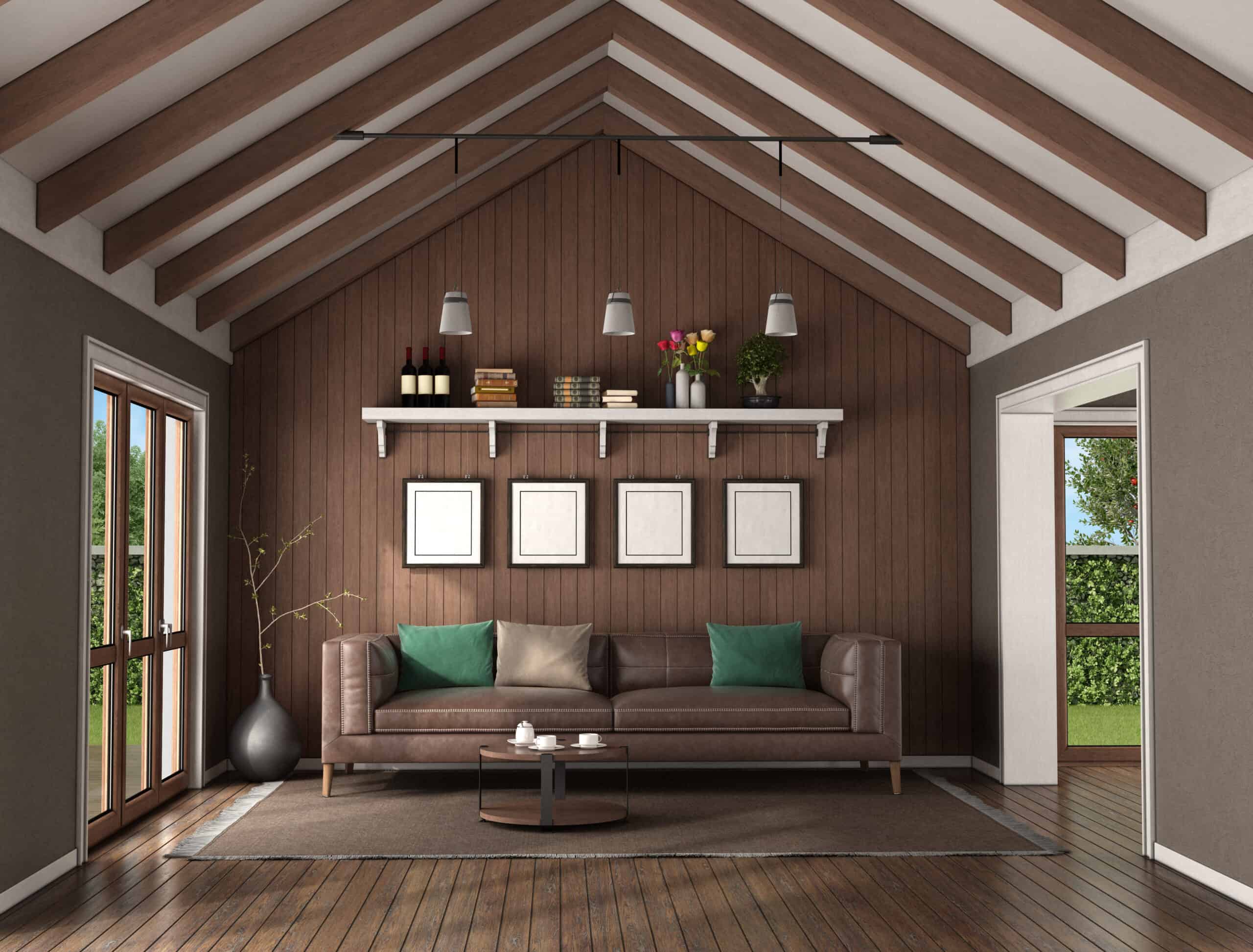
The permit process follows six structured steps.
Step 1 – Feasibility Check: Verify your property can accommodate an ADU. Check zoning, utility access, slope, and any easements or deed restrictions.
Step 2 – Concept Design & Budget: Sketch the ADU layout, size, and features. Align your goals with what’s permitted and affordable.
Step 3 – Construction Plans & Engineering: Create detailed architectural plans including structural engineering, electrical, plumbing, and energy calculations demonstrating code compliance.
Step 4 – Permit Submission & Plan Check: Submit your application to the building department. California law requires 60-day reviews, but the permitting timeline typically runs 2 to 4 months when accounting for corrections and agency clearances.
Step 5 – Construction Begins: Once permitted, construction starts with scheduled inspections at each phase—foundation, framing, plumbing, electrical.
📖 People also read about:
Step 6 – Final Sign-Off: Final inspection confirms code compliance. You receive a certificate of occupancy and your ADU is ready.
How Long Does It Take to Build an ADU in Orange County?
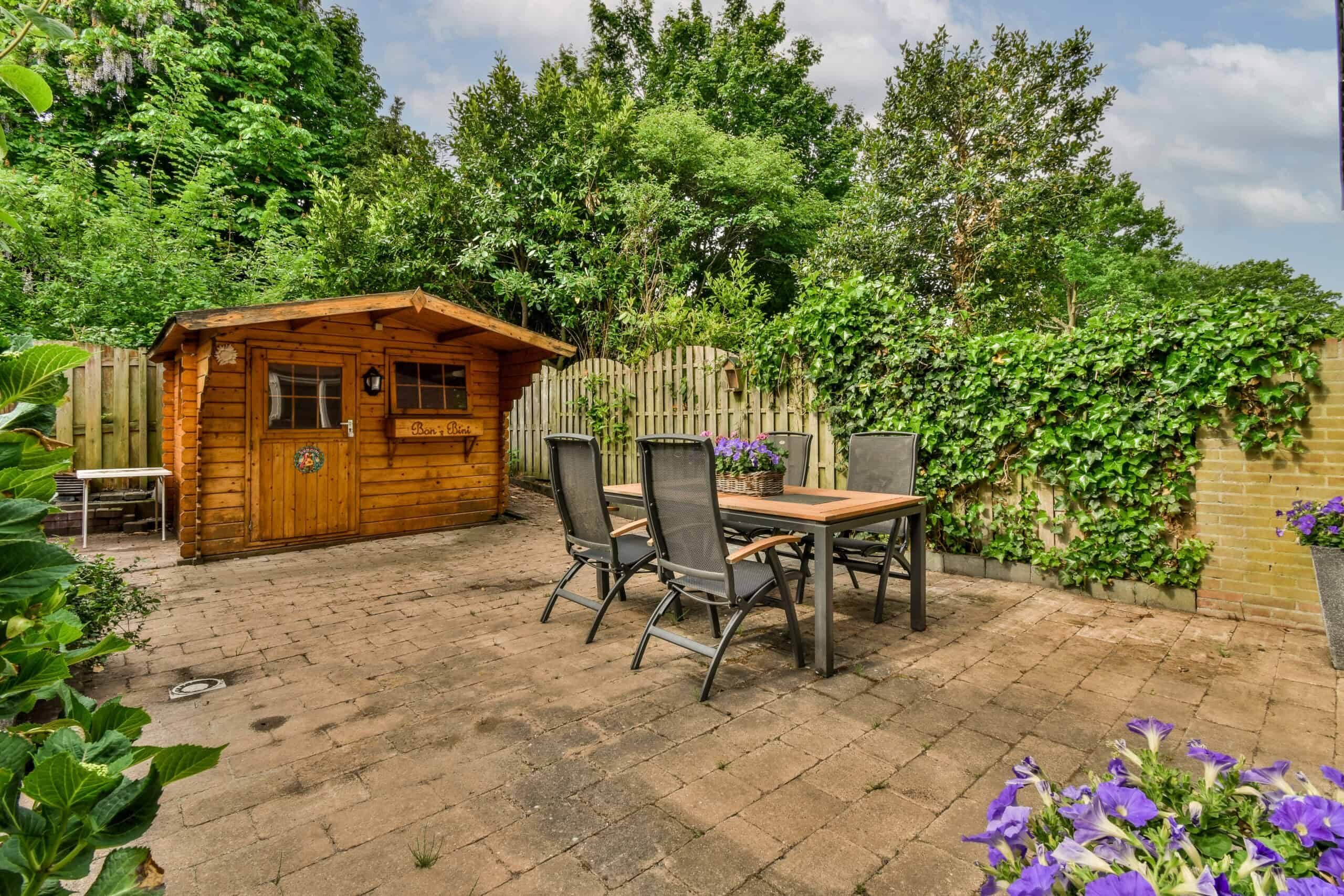
Total timeline from planning to move-in typically runs 8 to 14 months.
Design and planning take 2 to 4 months. Permit review officially allows 60 days, but with revisions and agency coordination, expect 2 to 4 months. Construction timelines vary by type: new detached builds take 4 to 6 months, while garage conversions run 2 to 4 months.
What slows projects down? Utility upgrades, custom designs requiring engineering, revision requests, and inspection scheduling during busy periods. Working with experienced Orange County’s top-rated general contractor who regularly manages ADU projects keeps things moving.
What Affects ADU Construction Costs?
ADU projects typically range from $90,000 for garage conversions to $400,000+ for custom detached units.
Site work drives costs more than expected. Grading and retaining walls on sloped lots add $20,000 to $30,000. Utility connections run $5,000 to $20,000+ depending on distance and complexity.
Finish level matters significantly. Budget materials cost less than custom cabinetry and high-end appliances. Garage conversions cost less than ground-up construction. The general range is $300 to $400 per square foot for construction costs including permits.
For more context on managing remodeling budgets, check our guide on home addition services.
Checklist: What to Prepare Before Contacting an ADU Contractor
Coming prepared speeds up your initial consultation and helps contractors give you accurate guidance.
💡 Need help?
We offer professional tixanconstruction.com to help you achieve your goals.
Gather your property address and basic lot information. Know your lot size if possible. Have your primary goal clear—rental income, family housing, home office, or property value increase.
Think through your rough budget range. Contractors can’t give you real numbers without site assessment, but knowing whether you’re comfortable at $100K or $250K shapes the conversation.
Decide which ADU type makes sense. Detached build, garage conversion, or attached addition? Each has different cost and timeline implications.
Bring any inspiration photos or must-have features. Timeline expectations matter too—do you need this done in six months or is a year-plus timeline acceptable?
Why Work with a Local Orange County ADU Contractor
ADU regulations change frequently. Local contractors who actively work on ADU projects stay current with city-specific requirements.
A contractor who regularly pulls permits in your city knows exactly what plan checkers will flag. They have relationships with inspectors and utility providers that smooth approvals. You’ll get realistic cost estimates based on actual local conditions—soil types, utility infrastructure, and labor rates specific to Orange County.
Start Your Renovation with Confidence
From kitchens to complete home remodels, our team delivers quality, precision, and a stress-free experience every step of the way.
- Licensed & insured
- Quality Workmanship
- Transparent Pricing
The biggest advantage? Streamlined coordination from design through construction. One team handles permitting, utility coordination, construction, and inspections. At Tixan Construction, we manage comprehensive remodeling services including ADU projects from concept to completion.
Frequently Asked Questions About ADU Requirements
Do I need a permit to build an ADU in Orange County?
Yes, all ADUs require building permits. The process is ministerial—approved based on meeting objective standards without public hearings or neighbor approvals.
What's the difference between an ADU and a JADU?
An ADU is a full independent unit with its own kitchen, bathroom, and entrance. A JADU is limited to 500 square feet within your existing home, can share a bathroom, only needs an efficiency kitchen, and requires owner-occupancy.
Can I convert my garage into an ADU?
Absolutely. Garage conversions are popular and cost-effective. You’re exempt from setback requirements and don’t need to replace the parking space.
Do ADUs require separate utility meters?
Not always. Separate meters aren’t required by building code, though some utilities have their own policies. Many homeowners keep ADUs on the main house’s meters.
How long does ADU permitting take in Orange County?
State law requires 60-day reviews. In practice, full approval typically takes 2 to 4 months accounting for revisions and agency clearances.
Do setback rules apply to garage conversions?
No. Converting existing structures is exempt from setback requirements. You can use the existing footprint even if it doesn’t meet the 4-foot standard.
Will an ADU increase my property value?
Yes, significantly. A common estimate is that property value increases by roughly 100 times the ADU’s monthly rental value. An ADU renting for $2,000/month could add $200,000 in value.
Can I rent out my ADU short-term (Airbnb)?
No. California requires ADU rentals for terms longer than 30 days. Short-term vacation rentals aren’t permitted.
Do I need fire sprinklers in my ADU?
Only if your main residence requires them. If sprinklers aren’t required for your primary dwelling, they’re not required for your ADU.
Can I build an ADU on any residential lot?
Generally yes. There’s no minimum lot size requirement. You need an existing or proposed primary residence. Some historic districts might have limitations, but most Orange County residential lots can accommodate at least one ADU.
Ready to Explore Your ADU Options?
ADU requirements in Orange County are manageable when you know what to expect. Every city adds its own layer of detail, so working with someone who knows the local rules saves time and money. Utility connections often drive hidden costs—planning for them early prevents budget surprises.
The permit process has structure. Coming prepared with clear goals and realistic expectations moves your project forward efficiently.
Ready to explore if an ADU works for your property? Schedule a free ADU feasibility consultation with Tixan Construction. We’ll assess your site, explain what’s possible under current regulations, and give you a realistic path forward.
Contact us today to discuss your ADU project in Orange County.