Table of Contents
A range hood does more than just clear cooking smells. When you’re planning a kitchen remodel in Orange County, you also need to think about ventilation performance, ducting, make-up air, noise, energy use, and local building requirements.
Choosing a hood simply because it looks great or has a high CFM rating could leave you with poor airflow or a system that doesn’t perform the way you expected.
For homeowners planning a kitchen renovation, understanding how range hood sizing and ducting work can make the design process much easier. Tixan Construction approaches kitchen remodeling with careful planning and attention to the details that affect how a space performs every day.
Planning Your Kitchen Ventilation?
- Licensed & insured
- Quality Workmanship
- Transparent Pricing
Why Range Hood Size Matters in an OC Kitchen
A range hood that is too small may struggle to capture smoke, grease and cooking vapours before they spread throughout the kitchen. An oversized hood, meanwhile, can create unnecessary airflow, noise and energy demands if the ductwork and ventilation system are not designed to support it.
The goal is not simply to buy the hood with the highest CFM rating. The hood should be appropriately sized for the cooktop or range, the type of cooking you do, and the way the kitchen is designed.
This becomes particularly important with larger gas ranges, high-output burners, griddles and other appliances that produce substantial heat and combustion byproducts.
What Does CFM Mean for a Range Hood?
CFM stands for cubic feet per minute. It describes how much air a range hood can move in a minute.
A higher CFM rating generally means the hood can move more air, but that does not automatically make it the best choice for your kitchen. Actual performance depends on factors such as:
- The size and type of your cooking appliance
- Gas versus electric or induction cooking
- How frequently you cook
- High-heat cooking methods such as searing or wok cooking
- Duct length and diameter
- Number of elbows in the duct run
- Whether the hood vents outdoors
- The overall design of the kitchen
A hood rated at a high CFM can perform poorly if it is connected to undersized or restrictive ductwork.
How Much CFM Does Your Kitchen Range Hood Need?
There is no single CFM number that works for every kitchen.
For example, a homeowner with a standard electric cooktop may have different ventilation requirements than someone installing a large professional-style gas range. The manufacturer’s installation instructions should always be considered alongside applicable building and mechanical requirements.
For gas cooking equipment, the heat output of the appliance can be an important factor when determining ventilation needs. Professional-style ranges may therefore require substantially more ventilation than a conventional residential cooktop.
Rather than choosing a hood by CFM alone, consider the complete system. Your contractor can assess the appliance specifications, kitchen layout and proposed duct route before recommending an appropriate configuration.
Range Hood Width: How Wide Should Your Hood Be?
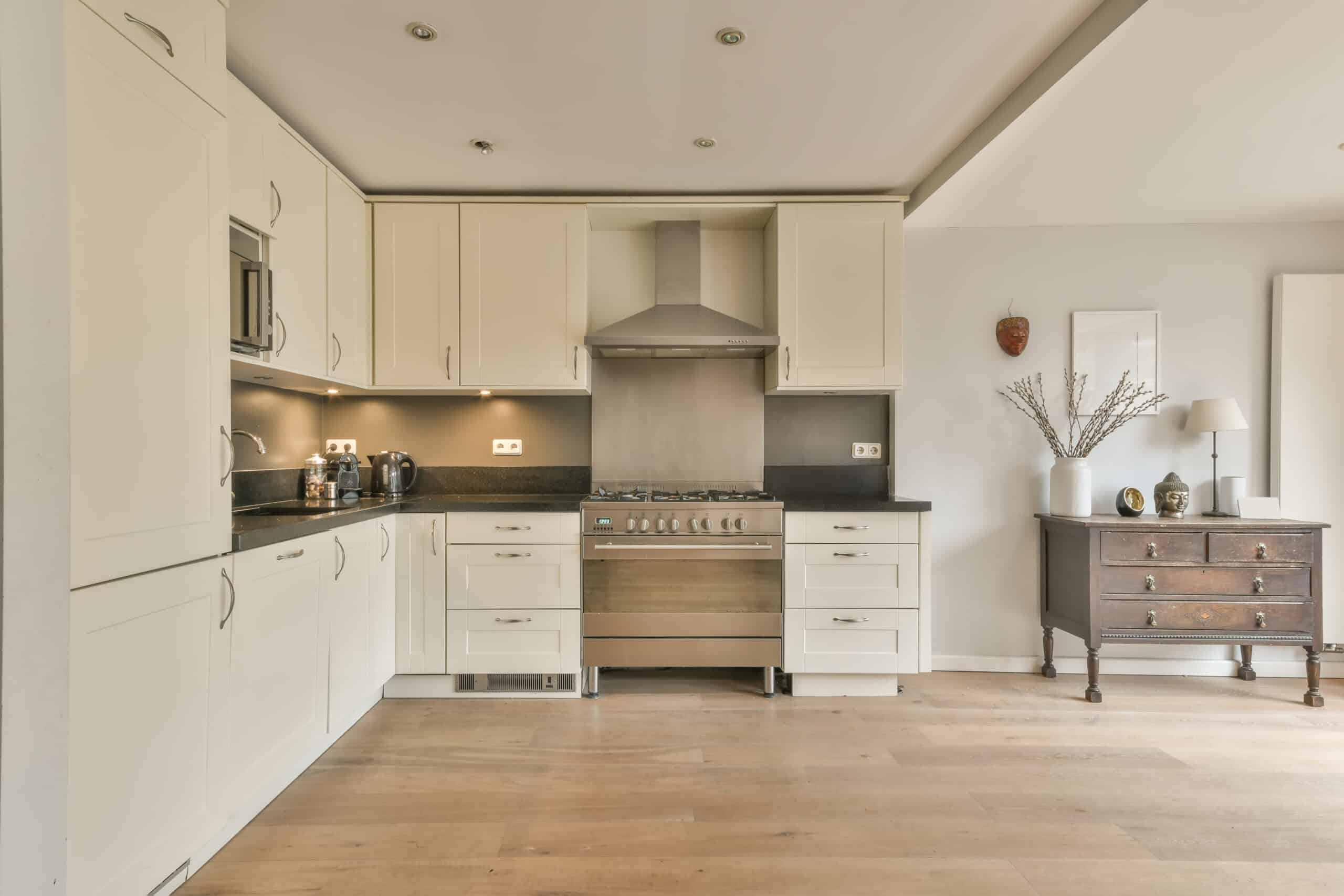
The hood should generally provide adequate coverage over the cooking surface so that rising smoke and vapours are effectively captured.
A hood that is too narrow can allow cooking emissions to escape around the edges. Depending on the installation and appliance, homeowners may choose a hood that extends beyond the cooking surface to improve capture.
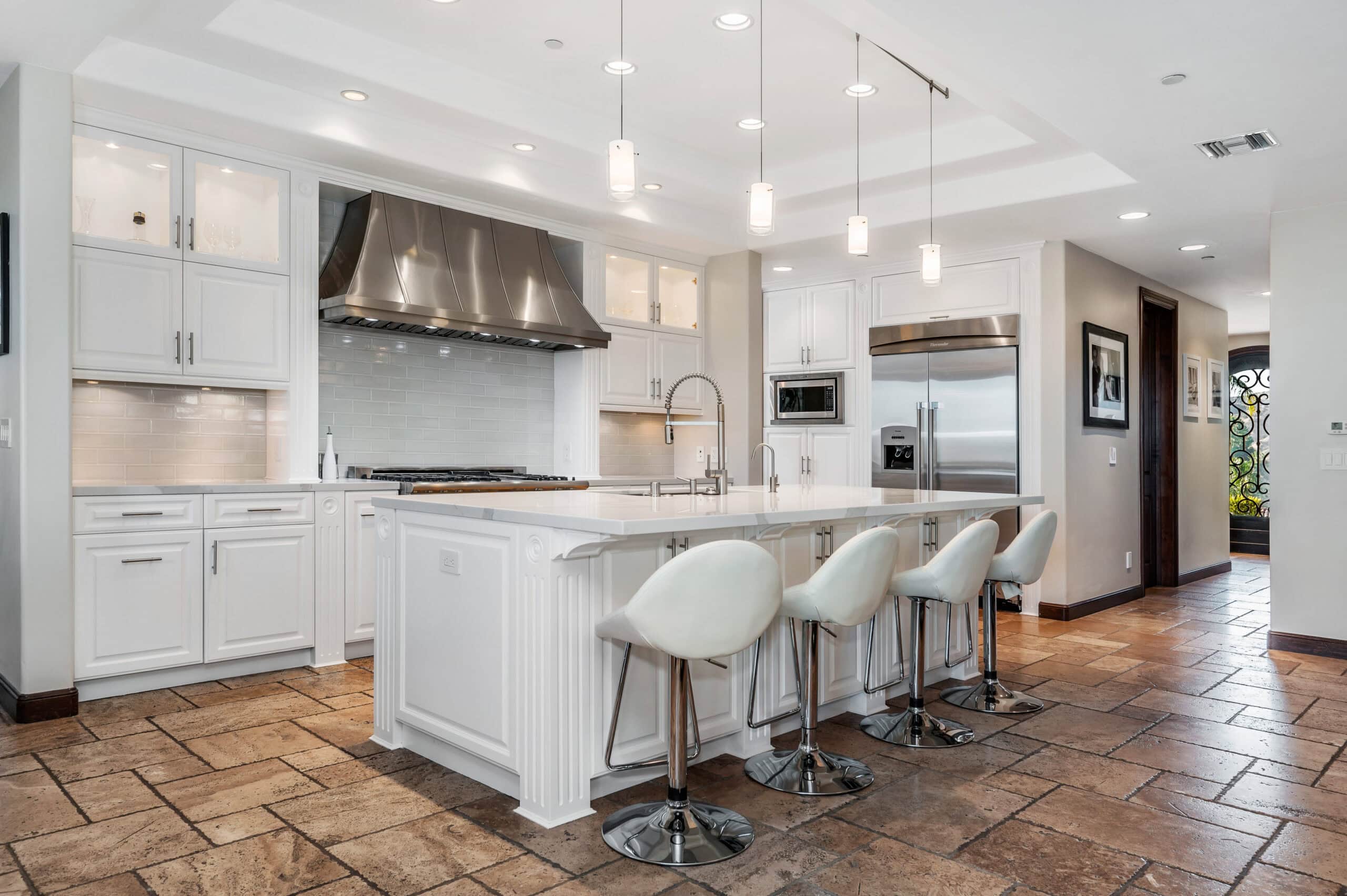
The ideal dimensions also depend on the hood style. Wall-mounted hoods, under-cabinet hoods and island hoods can have different installation considerations.
📖 People also read about:
Island ranges deserve particular attention because there is no wall behind the cooking surface to help contain rising air and vapours. An appropriately sized and positioned island hood becomes especially important.
Why Ducting Matters as Much as CFM
One of the biggest mistakes homeowners can make is focusing on the hood’s advertised CFM while overlooking the duct system.
Think of the hood and ductwork as one ventilation system. If the duct is too small, excessively long or filled with unnecessary bends, airflow can be restricted.
A well-planned duct route should account for:
- Duct diameter: The correct diameter should be based on the hood manufacturer's requirements and the airflow being delivered.
- Duct length: Longer runs can increase resistance and reduce effective airflow.
- Elbows and turns: Every unnecessary bend can add resistance to the system.
- Termination: The duct should exhaust outdoors through an appropriate termination point rather than simply ending inside a wall, attic or other enclosed area.
- Material and installation: Smooth, appropriately sized ductwork is generally preferable to restrictive configurations that interfere with airflow.
During a kitchen remodel, it is much easier to address these considerations before cabinets, ceilings and finishes are installed.
Should a Range Hood Vent Outside?
For many kitchen applications, an externally vented range hood is an important part of effective ventilation.
Recirculating hoods filter air and return it to the kitchen. While this can be suitable for certain situations, they do not provide the same type of outdoor exhaust as a ducted system.
An exterior-vented hood can remove cooking pollutants, moisture, odours and grease-laden air from the home instead of returning filtered air to the room.
If you are already opening walls or ceilings as part of a kitchen remodel in Orange County, it may be worth discussing whether a properly ducted ventilation system can be incorporated into the renovation.
What Is Make-Up Air?
Make-up air is replacement air brought into the home when exhaust equipment removes a significant amount of indoor air.
A powerful range hood can exhaust a considerable volume of air. If that air leaves the house without an adequate replacement source, the home can experience negative pressure.
Depending on the home’s design and applicable requirements, this can affect the performance of combustion appliances and create other ventilation concerns.
That’s why make-up air should be considered as part of the overall ventilation design, rather than treated as an afterthought once the range hood has been selected.
Does Every Kitchen Need Make-Up Air?
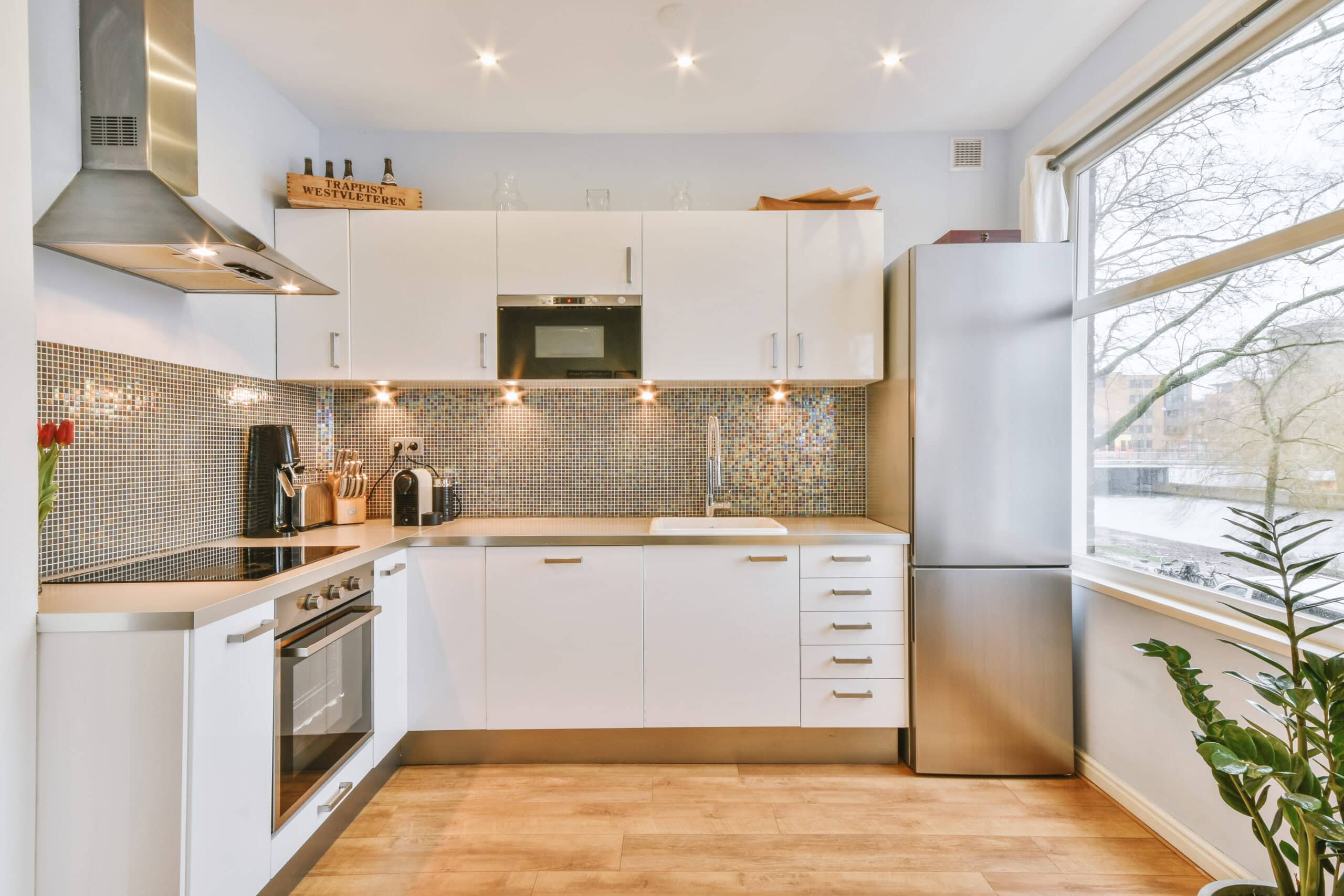
Not necessarily. The need for make-up air can depend on the exhaust airflow, local requirements, the home’s construction and other mechanical systems. California and local jurisdictions may have specific requirements that apply to residential kitchen ventilation.
📖 People also read about:
Orange County is not governed by one single set of practical conditions for every project. Your home’s city, existing construction, appliance specifications and remodeling scope can all affect what applies.
For that reason, homeowners should avoid relying on a generic online CFM recommendation alone. A qualified contractor should review the specific project and verify current requirements before construction begins.
What Are the Kitchen Ventilation Code Requirements in Orange County?
Kitchen ventilation requirements can involve several layers, including the California Residential Code, California Mechanical Code, energy requirements and applicable local amendments or permitting requirements.
Requirements can also change based on factors such as:
- Exhaust airflow
- Appliance type
- Gas versus electric cooking
- Make-up air provisions
- Duct configuration
- Building construction
- Local jurisdiction
This is especially relevant in Orange County because your project may be located in a different city with its own permitting process and local requirements.
Instead of designing your kitchen around a fixed “code CFM” number found online, have the ventilation system reviewed as part of your specific remodeling project and confirm requirements with the applicable local authority.
Can a High-CFM Hood Create Problems?
More powerful is not always better. A very high-CFM hood can create excessive negative pressure if the rest of the ventilation system is not designed to accommodate it. It may also introduce additional noise and require larger ductwork or make-up air provisions.
There is also the question of capture efficiency. A properly designed hood with appropriate placement and ducting can outperform a poorly installed high-CFM model.
💡 Need help?
We offer professional kitchen remodeling tustin to help you achieve your goals.
The objective should be effective ventilation that matches the cooking equipment and the home’s mechanical design, rather than simply maximising the CFM number.
Range Hood Noise: What Homeowners Should Consider

Noise is another factor that is often overlooked during kitchen planning. High airflow can produce more sound, particularly when the blower is operating at maximum capacity. Duct restrictions can also contribute to turbulence and noise.
When selecting a range hood, consider the manufacturer’s noise rating as well as:
- Blower location
- Duct size
- Duct configuration
- Installation quality
- Maximum versus typical operating speed
If your kitchen is part of an open-concept floor plan, noise can be particularly noticeable because the cooking area connects directly to living and dining spaces.
Range Hood Placement Matters
Even the right hood can underperform if it is installed at an unsuitable height or position.
The manufacturer’s specifications should determine the appropriate installation clearance above the cooking appliance. Gas and electric appliances may have different requirements, and the hood must be positioned to provide effective capture without creating clearance or safety issues.
Island installations require additional planning because airflow can move in multiple directions around the cooking area.
During a kitchen remodel, the hood, cabinetry, range, ceiling and duct route should therefore be coordinated before installation begins.
Common Range Hood Mistakes to Avoid
A few decisions can cause unnecessary problems later.
Choosing the Highest CFM Available
A large number on the product specification does not guarantee better performance. The ventilation system needs to be designed around the cooking appliance and home.
Using Undersized Ductwork
Trying to connect a powerful hood to a restrictive duct can compromise performance and increase noise.
Adding Too Many Duct Bends
An unnecessarily complicated duct route can increase resistance and reduce effective airflow.
Forgetting About Make-Up Air
A powerful exhaust system can affect indoor pressure and combustion appliances if replacement air has not been properly considered.
Planning Ventilation Too Late
Changing ductwork after cabinets, ceilings and finishes are installed can be considerably more complicated than coordinating it during the initial kitchen design.
How Tixan Construction Approaches Kitchen Remodeling
A successful kitchen remodel is about more than selecting attractive cabinets, countertops and appliances. The systems behind the finishes need to work together.
Tixan Construction brings an engineering-minded approach to residential remodeling, with careful attention to planning, construction details and communication throughout the project. When a kitchen renovation includes a new range hood, the ventilation requirements should be considered alongside the appliance layout, cabinetry, electrical work, ceiling conditions and duct route.
That coordinated approach helps create a kitchen that looks beautiful while also functioning properly for everyday cooking.
Get Your Ventilation Right
- Licensed & insured
- Quality Workmanship
- Transparent Pricing
Planning a Kitchen Remodel in Orange County?
If you’re replacing your range, installing a professional-style cooktop or completely redesigning your kitchen, now is the right time to address ventilation.
Tixan Construction can help you plan the remodeling details that support a functional, well-designed Orange County kitchen. Contact our team to discuss your kitchen renovation, appliance plans and overall design goals.
Frequently Asked Questions
What is a good CFM for a kitchen range hood?
The appropriate CFM depends on the cooking appliance, heat output, cooking habits, hood design and duct configuration. There is no universal number that is right for every kitchen.
Is a 600 CFM range hood enough for a gas range?
It depends on the gas range and its heat output, along with the hood and duct configuration. Check the appliance and hood manufacturer's requirements and have the complete ventilation system evaluated.
Does a 900 CFM range hood require make-up air?
A high-CFM hood may trigger make-up air requirements depending on the applicable code, local jurisdiction and characteristics of the home. This should be verified during the design and permitting process.
Is it better to have a ducted or recirculating range hood?
A ducted hood that exhausts outdoors can provide more direct removal of cooking air, odours and moisture. However, the appropriate solution depends on the home's construction, available duct route and project requirements.
Can I install a powerful range hood without changing my kitchen?
Sometimes, but the existing ductwork, electrical system, cabinet configuration and ventilation requirements all need to be evaluated. A kitchen remodel is often an ideal opportunity to address these elements together.