
Table of Contents
If you’re planning a kitchen remodel in California, choosing between a gas and induction cooktop is about more than cooking style. Your choice can affect electrical capacity, wiring, appliance placement, ventilation and how your project interacts with California’s current energy requirements.
For Orange County homeowners, this decision is especially worth considering early in the design process. A kitchen that looks straightforward on paper can require additional electrical planning when a gas cooktop is replaced with a high-powered induction model.
At Tixan Construction, we look beyond the visible finishes of a kitchen remodel to consider the systems that make the space work properly every day.
Gas or Induction for Your Remodel?
- Licensed & insured
- Quality Workmanship
- Transparent Pricing
Gas vs Induction: What Is the Real Difference?
Gas cooktops use natural gas or propane to produce a visible flame, while induction cooktops use electricity and magnetic fields to heat compatible cookware directly.
Both can deliver excellent cooking performance, but they place different demands on your home.
A gas cooktop requires an appropriate gas supply and ventilation strategy. An induction cooktop instead requires a suitable electrical connection and enough capacity to support its power demand.
That difference becomes particularly important in older Orange County homes where the existing electrical service was designed around appliances and household loads that may be very different from those in a modern kitchen.
Why Electrical Panel Capacity Matters for Induction
One of the first questions to ask before installing induction is whether your home’s electrical system can support it.
An induction cooktop is typically a 240-volt appliance with a dedicated circuit, although the exact electrical requirements vary by manufacturer and model. A large cooktop with several high-powered burners can have a substantial connected load.
Your electrical panel may technically have available breaker spaces but still lack sufficient overall capacity. These are two different considerations.
Breaker Space vs Panel Capacity
Having an empty space in the panel does not automatically mean your home can support a new high-demand appliance.
An electrician may need to evaluate:
- Your main service rating
- Existing electrical loads
- Available breaker spaces
- The proposed cooktop's electrical specifications
- Existing wiring
- Other planned appliances
- Whether an electrical service upgrade is necessary
This assessment is especially important when you’re already planning multiple upgrades, such as an induction cooktop, EV charger, heat-pump water heater or other major electrical appliances.
What Wiring Does an Induction Cooktop Need?

Induction cooktops commonly require a dedicated 240V circuit, but the required amperage depends on the specific appliance.
For example, one model may have different electrical requirements than another even if both have a similar number of cooking zones. The manufacturer’s installation specifications should therefore be checked before electrical work begins.
During a kitchen remodel, the circuit can be planned alongside the cabinetry and appliance layout. This is much easier than trying to add wiring after the kitchen has already been completed.
📖 People also read about:
Don’t choose the cooktop after the electrical plan is finished. Choose the appliance early enough for the electrical requirements to be incorporated into the design.
Do Gas Cooktops Need Electrical Wiring?
Gas cooktops do not generally require the same high-capacity electrical connection as induction models, but that does not mean they have no electrical considerations.
Depending on the appliance, you may need electrical power for ignition, controls or other integrated functions. The gas line, shutoff, appliance clearance and ventilation system also need to be coordinated.
And there is another important California consideration: new construction projects with gas cooking equipment may be subject to electric-ready requirements under the Energy Code.
What Is Title 24?
“Title 24” refers to California’s broader collection of building standards. For energy efficiency, Title 24, Part 6 contains the California Building Energy Efficiency Standards.
California’s 2025 Energy Code took effect on January 1, 2026 for applicable projects. The updated code expands electric-readiness provisions and other energy requirements.
However, it is important not to assume that every kitchen remodel automatically has the same requirements.
New construction, additions and alterations can be treated differently, and the specific requirements depend on the scope and circumstances of the project.
What Does California's Electric-Ready Rule Mean for Gas Cooktops?
This is one of the most important details for homeowners considering gas.
Under the 2025 Energy Code, certain newly constructed single-family homes that install a gas or propane cooktop must provide infrastructure that makes a future electric cooktop installation easier. The California Energy Commission identifies this as an electric-ready requirement.
For applicable new single-family construction, the requirement includes:
- A dedicated 240V branch circuit near the cooktop
- Circuit conductors rated at least 50 amps
- Accessible wiring within the specified distance
- A reserved space in the main electrical panel for a future double-pole breaker
The circuit and panel space are also required to be identified for future electric use.
Does This Apply to Every Kitchen Remodel?
No! The California Energy Commission specifically states that the 2025 single-family electric-ready requirements do not apply to additions and alterations, or to new buildings where all-electric appliances are installed.
That distinction matters for homeowners renovating an existing Orange County property.
If you’re remodeling an existing kitchen rather than constructing a new home, your project’s requirements need to be evaluated based on its actual scope, permit conditions and applicable codes.
Why Induction Can Be Attractive for a California Remodel
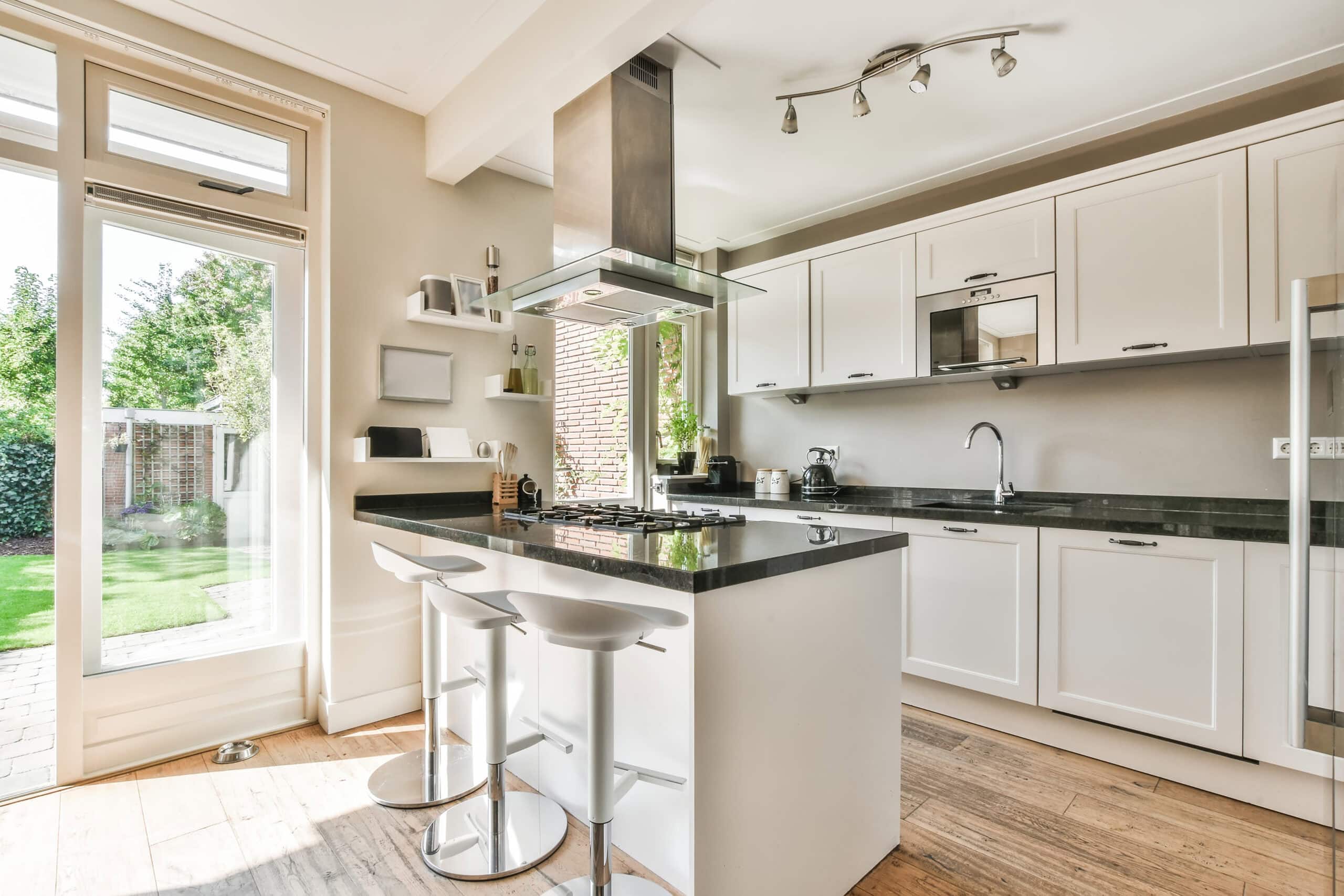
For many homeowners, induction is appealing because it provides precise temperature control without a combustion flame.
📖 People also read about:
It can also fit naturally into an increasingly electrified home, particularly when homeowners are already considering other electric upgrades.
California’s own homeowner energy resources highlight induction as one option for electrifying cooking and note that installation may require professional evaluation of existing wiring and power supply.
There are also practical benefits worth considering.
Fast, Responsive Cooking
Induction can provide rapid heat and precise control, making it suitable for everything from simmering sauces to high-heat cooking.
Easy-to-Clean Surface
The smooth cooking surface has fewer areas where food and grease can collect compared with traditional gas burners and grates.
No Open Cooking Flame
Because induction transfers energy directly to compatible cookware rather than creating a flame, the cooking experience is different from gas.
A Natural Fit for Electrification
If you’re already planning an electrical upgrade or moving toward electric appliances throughout the home, induction can be part of a broader strategy.
Why Some Homeowners Still Prefer Gas
Gas remains a popular choice for homeowners who enjoy cooking over a visible flame and want familiar control over their cooking process.
Professional-style gas ranges can also provide powerful burners and a traditional cooking experience that many home chefs prefer.
However, choosing gas should involve more than deciding whether you like cooking with a flame.
You also need to consider the gas supply, appliance requirements, range hood ventilation and the applicable building and energy requirements for your project.
Gas vs Induction: Which Is Better for Your Kitchen?
There isn’t one universal answer!
| Consideration | Gas Cooktop | Induction Cooktop |
|---|---|---|
| Heat source | Natural gas or propane | Electricity |
| Typical electrical demand | Lower than induction, depending on appliance | Higher; dedicated 240V circuit commonly required |
| Cooking surface | Burners and grates | Smooth glass-ceramic surface |
| Open flame | Yes | No |
| Electrical panel assessment | Still relevant, but generally less demanding | Particularly important |
| Gas connection | Required | Not required |
| Electric-ready considerations | Applicable to certain new construction | Already electric |
| Cookware | Most cookware | Requires compatible magnetic cookware |
| Installation planning | Gas, electrical and ventilation | Electrical, cabinetry and ventilation |
The right choice depends on how you cook, your home’s existing infrastructure and what else you’re planning as part of the renovation.
What If Your Electrical Panel Can't Handle Induction?

This doesn’t necessarily mean induction is off the table. Depending on the home’s existing service and the scope of the project, an electrician may be able to identify a suitable solution. In other situations, the project may require additional electrical work or a service upgrade.
💡 Need help?
We offer professional tixanconstruction.com to help you achieve your goals.
The important point is to evaluate capacity before purchasing the appliance. Imagine completing a beautiful kitchen remodel only to discover that the selected induction cooktop cannot be supported without additional electrical work. Planning the electrical system at the beginning helps avoid that situation.
Don't Forget the Range Hood
Switching from gas to induction does not mean you can ignore kitchen ventilation. Cooking still creates heat, moisture, grease and airborne particles. A properly designed range hood can help remove these pollutants and cooking byproducts.
The hood’s size, CFM, ducting and termination should be considered alongside the cooking appliance. This is particularly important when designing an open-concept kitchen where cooking vapours can quickly travel into dining and living areas.
How Tixan Construction Approaches Kitchen Remodeling
At Tixan Construction, we understand that a kitchen remodel is about much more than choosing beautiful finishes.
The appliance, electrical system, ventilation, cabinetry and layout all need to work together.
Our engineering-minded approach helps us look closely at the practical details behind your design. Whether you’re considering a gas range, induction cooktop or a broader kitchen electrification project, we can help you identify the construction considerations early in the process.
That means your kitchen can be planned around the way you actually live and cook, rather than trying to make major systems fit after the design has already been finalised.
Decide Before You Buy
- Licensed & insured
- Quality Workmanship
- Transparent Pricing
Planning a Kitchen Remodel in Orange County?
Thinking about replacing your gas cooktop with induction? Or are you designing a completely new kitchen and deciding which cooking system makes sense for your home?
Start the conversation before you purchase your appliances. A review of your electrical panel, wiring, appliance specifications and kitchen layout can help you understand what your project will require.
Tixan Construction works with Orange County homeowners to plan and build thoughtfully designed residential kitchens with attention to both aesthetics and construction details.
Frequently Asked Questions
Is induction better than gas for a California kitchen?
Induction can be an excellent option for homeowners who want electric cooking, precise heat control and a smooth cooking surface. Gas may still appeal to homeowners who prefer flame cooking. The best option depends on your cooking preferences and home's infrastructure.
Does an induction cooktop require a 240V circuit?
Many full-size induction cooktops require a dedicated 240V circuit, but the exact requirements vary by model. Always check the manufacturer's installation specifications before electrical work begins.
Will I need to upgrade my electrical panel for an induction cooktop?
Not necessarily. It depends on your home's existing electrical service, available capacity and the cooktop's requirements. A qualified electrician can assess the panel and determine whether additional electrical work is needed.
Does Title 24 require homeowners to replace a gas cooktop with induction?
Not generally. California's electric-ready requirements are more nuanced than a blanket requirement to replace existing gas cooking equipment. For example, the 2025 Energy Code includes electric-ready requirements for certain newly constructed single-family homes that install gas or propane cooktops, while additions and alterations are excluded from those specific requirements.
Can I keep my gas cooktop during a kitchen remodel?
In many remodeling situations, yes, but the requirements depend on the project scope, appliance and applicable local and state codes. Your contractor should review the project before work begins rather than assuming that rules for new construction apply to an existing-home alteration.
Should I choose my cooktop before starting my kitchen remodel?
Yes. Choosing the appliance early is recommended because its electrical, gas, ventilation and cabinetry requirements can influence the overall kitchen design. This is especially important for high-powered induction cooktops.