Table of Contents
Planning a home remodel can feel overwhelming. You have big ideas and an even bigger to-do list, but where should you actually start? The truth is, tackling projects in the wrong order can lead to costly mistakes, repeated work, and unnecessary frustration.
Understanding the proper home remodel order of operations protects your budget and prevents damage to newly finished spaces. Whether you’re planning a complete transformation or updating specific rooms, following the right sequence saves time and money.
In this guide, we’ll walk you through the essential phases of a home renovation, from structural work to those final touches that make your space shine. Let’s break down the house remodel order of operations so you can approach your project with confidence.
Why the Order of Operations for Home Remodel Matters
Imagine installing beautiful new flooring, only to realize you need to tear it up for plumbing repairs. Or freshly painting walls before running new electrical lines. These scenarios aren’t just inconvenient. They’re expensive.
Following the correct renovation sequence ensures:
- Cost efficiency: Avoid paying twice for the same work
- Time savings: Prevent delays from rework and corrections
- Quality protection: Keep finished surfaces safe from construction damage
- Code compliance: Complete inspections at appropriate stages
- Less stress: Move through your project with clear milestones
The key principle is simple: work from the inside out and from structural to cosmetic. Big, messy work happens first. Beautiful finishes come last.
A Real Example from an Orange County Remodel
In a recent Lake Forest whole-home renovation, our team discovered outdated knob-and-tube wiring during demolition. Because we follow a strict structural-to-cosmetic sequence, we were able to complete the electrical upgrade during the rough-in phase, before drywall and flooring installation.
Had the homeowners skipped proper sequencing, the new hardwood floors would have required removal to access wiring pathways, adding thousands in unnecessary costs.
This is why following a professional house remodel order of operations is not just recommended, it’s essential.
Phase 1: Pre-Renovation Planning (Before Construction Begins)
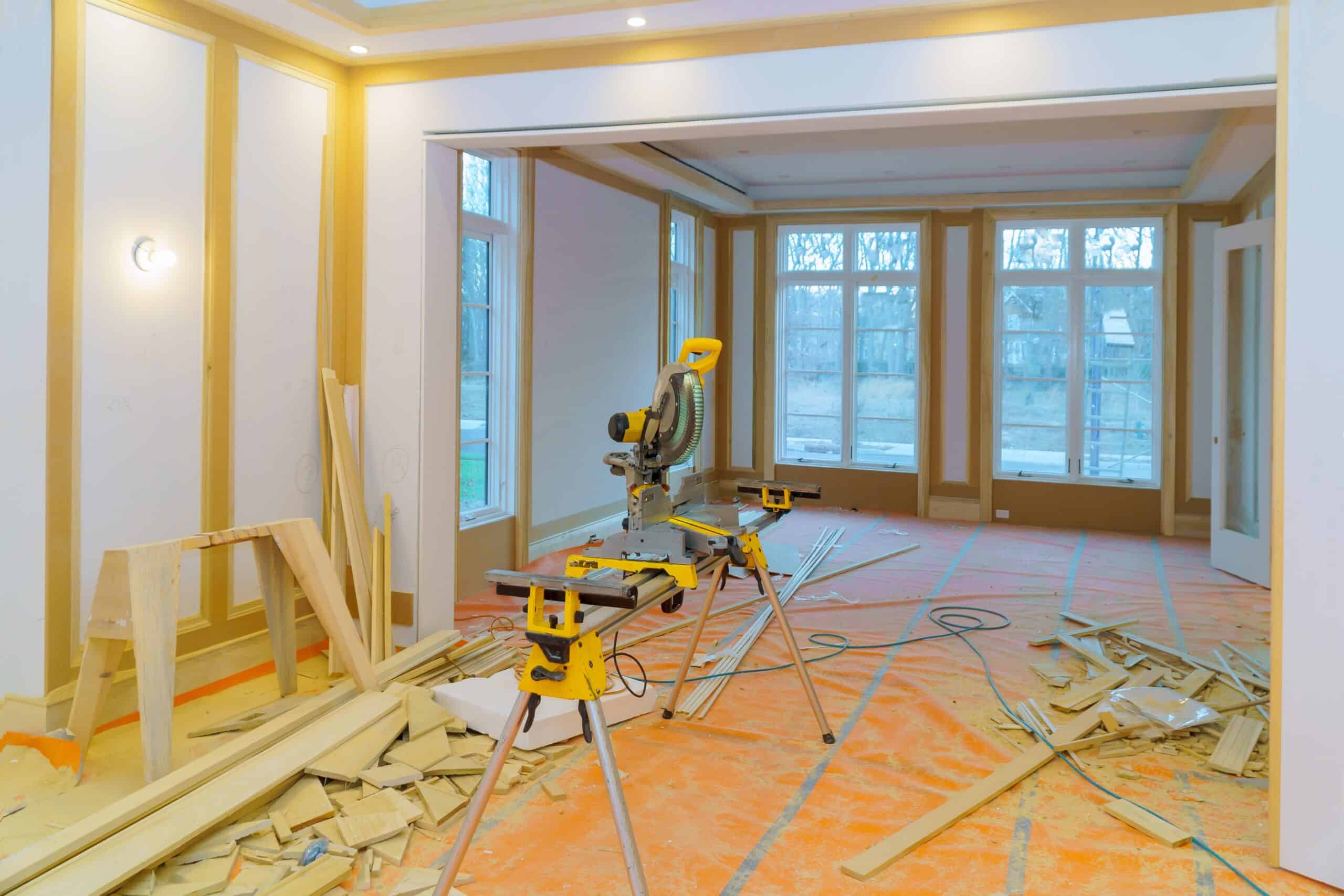
Before swinging a single hammer, proper planning sets the foundation for success.
1. Get a Professional Home Inspection
Even if your home looks solid, hidden issues can lurk beneath the surface. A thorough inspection reveals:
- Outdated or unsafe electrical wiring
- Plumbing problems or water damage
- Structural wear or foundation concerns
- Insulation gaps or HVAC inefficiencies
Discovering these issues early lets you address them proactively rather than mid-project when they’re more disruptive and expensive.
2. Secure Necessary Permits
Permits aren’t red tape. They’re your protection. Most renovations involving structural changes, electrical work, or plumbing require permits from your local building department.
Working without proper permits can result in:
- Hefty fines from your municipality
- Difficulty selling your home later
- Insurance claim denials
- Mandatory removal of unpermitted work
A licensed general contractor typically handles permitting on your behalf, ensuring compliance with local codes and regulations.
Phase 2: Structural Work Comes First
Once planning and permits are complete, structural work takes priority. This is the foundation everything else builds upon.
1. Address Foundation and Framing Issues
Your home’s structural integrity isn’t negotiable. Before any cosmetic work begins, address:
- Cracks in the foundation or settling issues
- Sagging or damaged floor joists
- Load-bearing wall modifications
- Roof framing or structural reinforcement
Completing structural repairs first ensures all subsequent work stands on solid ground, literally and figuratively.
Ready to Transform Your Home?
Let’s bring your vision to life with expert craftsmanship, clear communication, and results built to last.
- Licensed & insured
- Quality Workmanship
- Transparent Pricing
2. Exterior Envelope Improvements
If your project includes exterior work, tackle it before moving inside. This includes:
- Roofing repairs or replacement: Prevents leaks that could damage new interiors
- New windows and doors: Improves energy efficiency and weather protection
- Siding updates: Protects against moisture and pest intrusion
Completing exterior work first keeps construction mess outside and protects your home from the elements throughout the renovation.
Phase 3: Mechanical Systems (Plumbing, Electrical, HVAC)
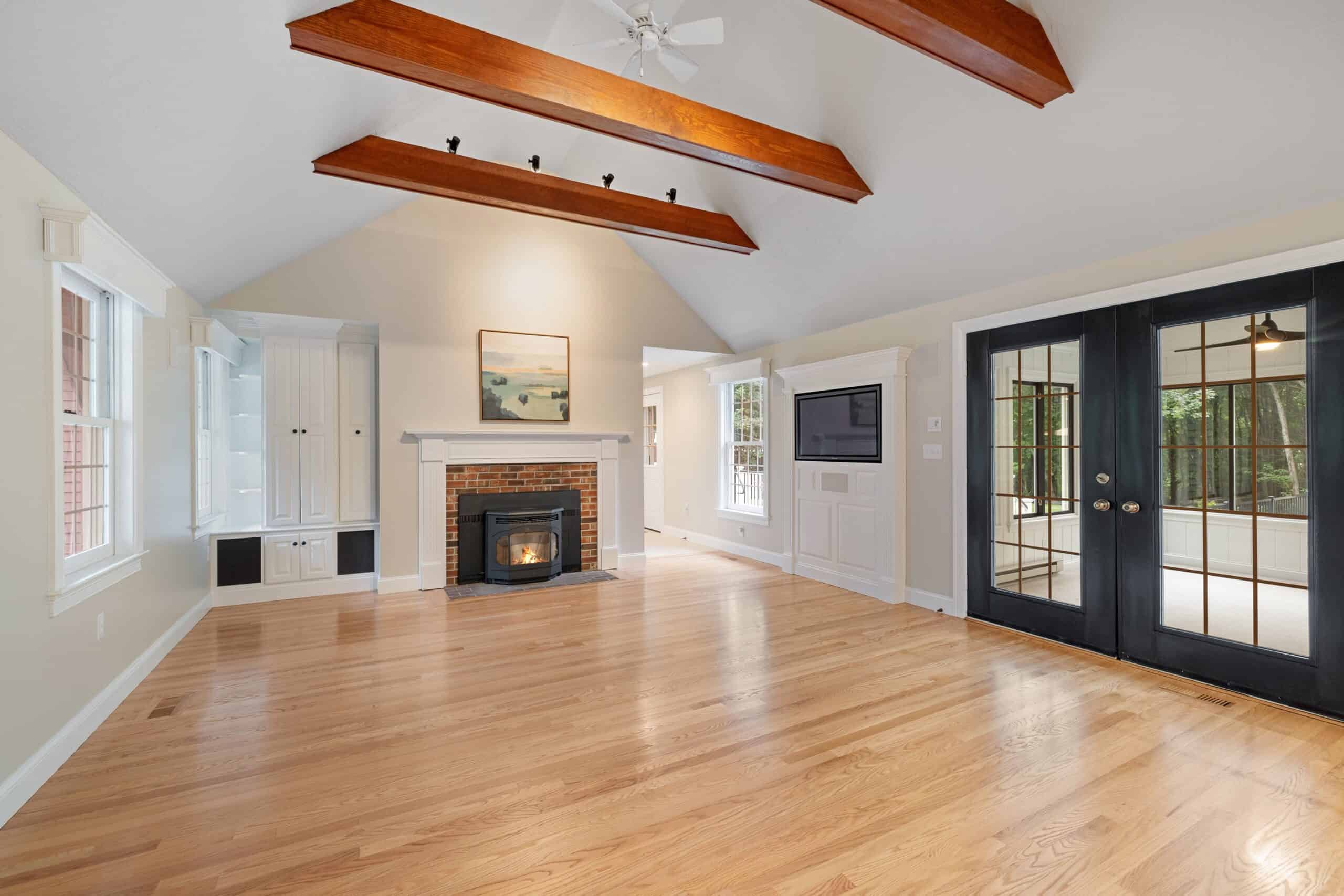
With structural work complete, it’s time to update the systems that make your home function. This phase happens while walls are still open, giving easy access to pipes, wires, and ducts.
📖 People also read about:
1. Why Mechanical Updates Can’t Wait
Old mechanical systems don’t just cause inconvenience. They pose safety risks and compliance issues. This is your opportunity to:
- Replace outdated wiring that can't handle modern electrical loads
- Upgrade plumbing to prevent leaks and improve water pressure
- Install efficient HVAC systems for better comfort and lower energy bills
- Add smart home features and modern conveniences
2. Rough-In Work Happens Now
Before closing up walls, complete all “rough-in” work:
- Run new electrical wiring and add outlets
- Reroute or replace plumbing lines
- Install ductwork modifications
- Place junction boxes for lighting fixtures
Once inspections are complete and walls are closed, accessing these systems becomes exponentially more difficult and expensive.
📖 People also read about:
Phase 4: Interior Construction and Insulation
Now that bones and systems are updated, it’s time to close things up.
💡 Need help?
We offer professional bathroom remodel irvine to help you achieve your goals.
1. Insulation and Drywall Installation
Proper insulation improves energy efficiency and comfort. Once insulation is in place, drywall installation begins. This phase includes:
- Installing and finishing drywall
- Taping and mudding seams
- Sanding for smooth surfaces
- Priming walls for paint
This stage is messy, generating significant dust. That’s why it happens before any finished surfaces like flooring or cabinetry go in.
Phase 5: Kitchens and Bathrooms (Major Room Renovations)

With walls finished and systems in place, focus shifts to high-impact rooms like kitchens and bathrooms.
1. Kitchen Remodeling Sequence
The kitchen is often the heart of the home and one of the most detailed rooms to remodel. The order matters here too:
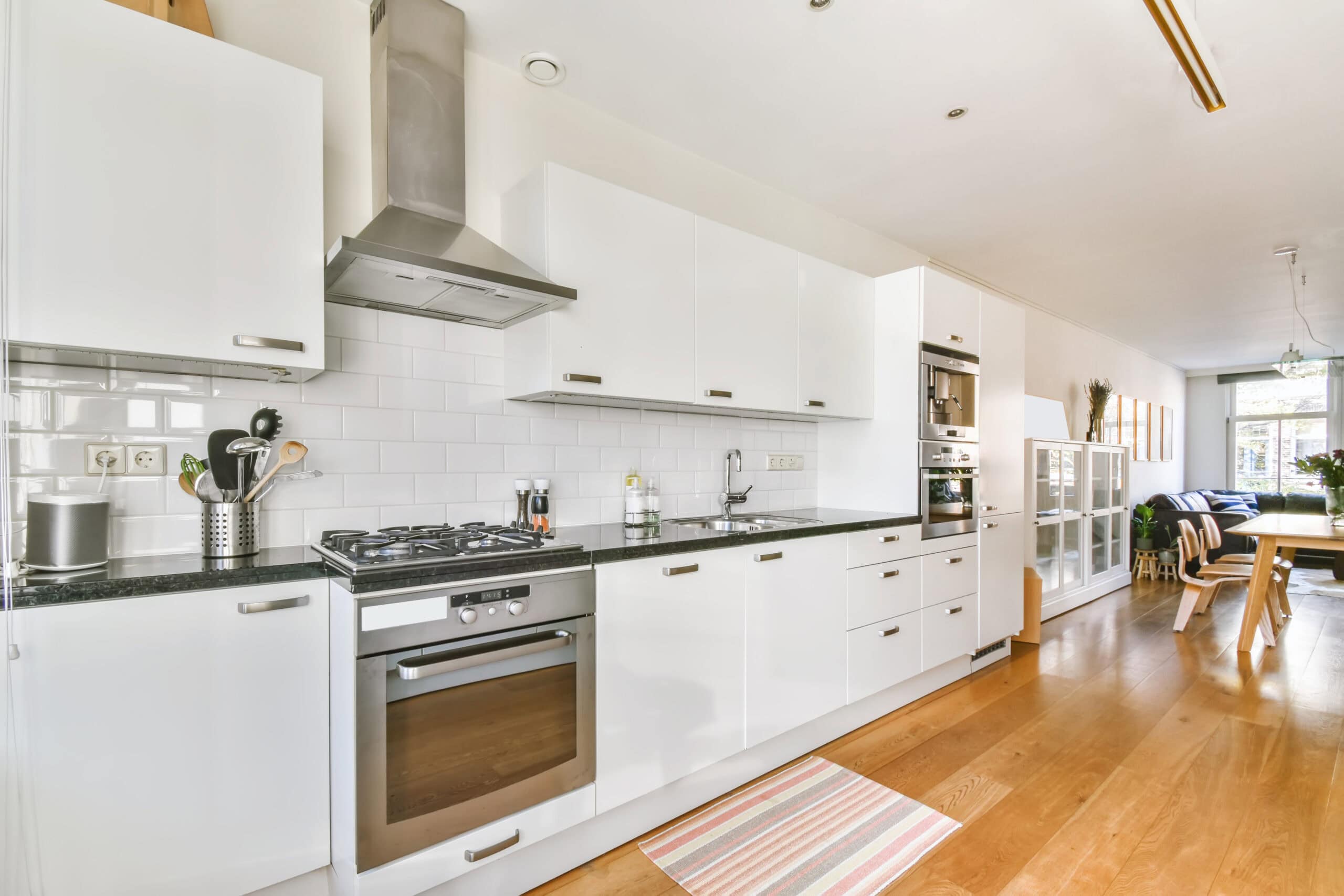
- Install flooring (if not doing whole-home flooring)
- Cabinet installation and secure to walls
- Countertop fabrication and installation
- Backsplash tile work
- Appliance and fixture installation
2. Bathroom Remodeling Sequence
Bathrooms require precision because of plumbing and waterproofing needs:
- Waterproofing and shower pan installation
- Tile work (floors and walls)
- Vanity and cabinet installation
- Countertops and sinks
- Toilet and fixture installation
- Shower doors or curtain hardware
Phase 6: Flooring Installation
Flooring typically comes after major construction and room renovations are complete. This timing protects your investment from construction damage.
1. Flooring sequence considerations:
- Install after drywall dust is cleaned
- Complete before trim and baseboards
- Protect finished floors during final work phases
- For whole-home projects, install flooring throughout before moving to finishes
Phase 7: Final Finishes and Details

The finish line is in sight. This final phase brings your vision together with all the details that make a house feel like home.
1. Painting and Trim Work
- Prime and paint walls and ceilings
- Install baseboards, crown molding, and trim
- Paint or stain trim as needed
- Touch up any imperfections
2. Fixture and Hardware Installation
- Hang light fixtures and ceiling fans
- Install switch plates and outlet covers
- Add cabinet and door hardware
- Mount bathroom accessories
3. Final Touches
- Install window treatments
- Place final appliances
- Add decorative elements
- Complete final walkthrough and punch list
Common Home Remodeling Questions
Should I renovate my kitchen or bathroom first?
It depends on which space causes more daily disruption. Kitchens typically have a broader impact on family life and entertaining, while bathrooms address privacy and comfort needs. Many homeowners tackle both at the same time for better efficiency.
Can I live in my home during renovation?
For single-room projects, absolutely. Contractors can contain dust and work in isolated areas. For whole-home remodels, temporary relocation may be more comfortable, especially during demolition and rough-in phases.
How long does a typical home remodel take?
Timelines vary based on scope. A single-room renovation might take 4-8 weeks, while a whole-home remodel typically requires 6-12 months including design, permits, and construction.
Is it better to renovate all at once or in phases?
Whole-home renovations are often more cost-effective and efficient, but phased projects work better for tight budgets. Your general contractor can help you create a roadmap that fits your timeline and investment goals.
Our Proven Home Remodeling Process
At Tixan Construction, every project follows a structured 7-step remodeling framework:
-
Detailed scope planning and budgeting
-
Permit coordination and inspection scheduling
-
Structural and exterior stabilization
-
Mechanical system upgrades
-
Interior build-out and insulation
-
Precision finish installation
-
Final quality inspection and client walkthrough
Start Your Renovation with Confidence
From kitchens to complete home remodels, our team delivers quality, precision, and a stress-free experience every step of the way.
- Licensed & insured
- Quality Workmanship
- Transparent Pricing
We provide written timelines, transparent cost breakdowns, and milestone-based progress updates so homeowners always know what happens next.
Start Your Home Remodel with Confidence
Following the proper order of operations for home remodel projects isn’t just about efficiency. It’s about protecting your investment, avoiding costly mistakes, and achieving the beautiful results you deserve.
At Tixan Construction, we bring aerospace engineering precision to every Orange County home remodel. Our systematic approach ensures your project flows smoothly from structural work to stunning finishes, with clear communication and transparent budgets every step of the way.
Ready to transform your home the right way? Contact Tixan Construction today to discuss your whole home remodeling project. With over 500 happy customers and a reputation as Orange County’s Top-Rated General Contractor, we’ll guide you through every phase of your renovation journey.
Tixan Construction
Licensed CA #1105549 | Bonded & Insured
21502 Firwood, Lake Forest, CA 92630
(949) 490-8776