Table of Contents
Your home no longer fits the way you live. Maybe you need a home office, an extra bedroom, or space for aging parents. Moving feels like too much—new schools, unfamiliar neighbors, the stress of packing up your life.
So you’re wondering: what does a home addition actually cost in Orange County?
The answer isn’t simple, but it’s knowable. Home addition costs in Orange County typically range from $150 to $500 per square foot, depending on complexity, materials, and what you’re building. That’s higher than national averages, and for good reason. Labor runs hotter here. Building codes are stricter. And the permitting process demands patience.
This guide breaks down what drives those numbers, what you should budget, and when adding on makes better financial sense than moving.
How Much Does a Home Addition Cost in Orange County?
Nationally, home additions average $80 to $200 per square foot for simple projects. But Orange County isn’t playing by national rules.
Here, you’re looking at $150 to $500 per square foot for most additions, according to local construction standards. A basic bedroom addition starts around $150 per square foot. A complex kitchen or bathroom addition? Closer to $500.
For context, industry data on Orange County pricing shows a master suite (400-500 square feet) typically costs $120,000 to $200,000. Bathroom additions range from $50,000 to $100,000 depending on size and finishes.
Why does Orange County run higher? Three reasons: labor costs, building regulations, and market demand. Skilled contractors command premium rates in coastal California. Permits take longer and cost more. And limited contractor availability drives prices up when demand is high.
What Affects Home Addition Costs?
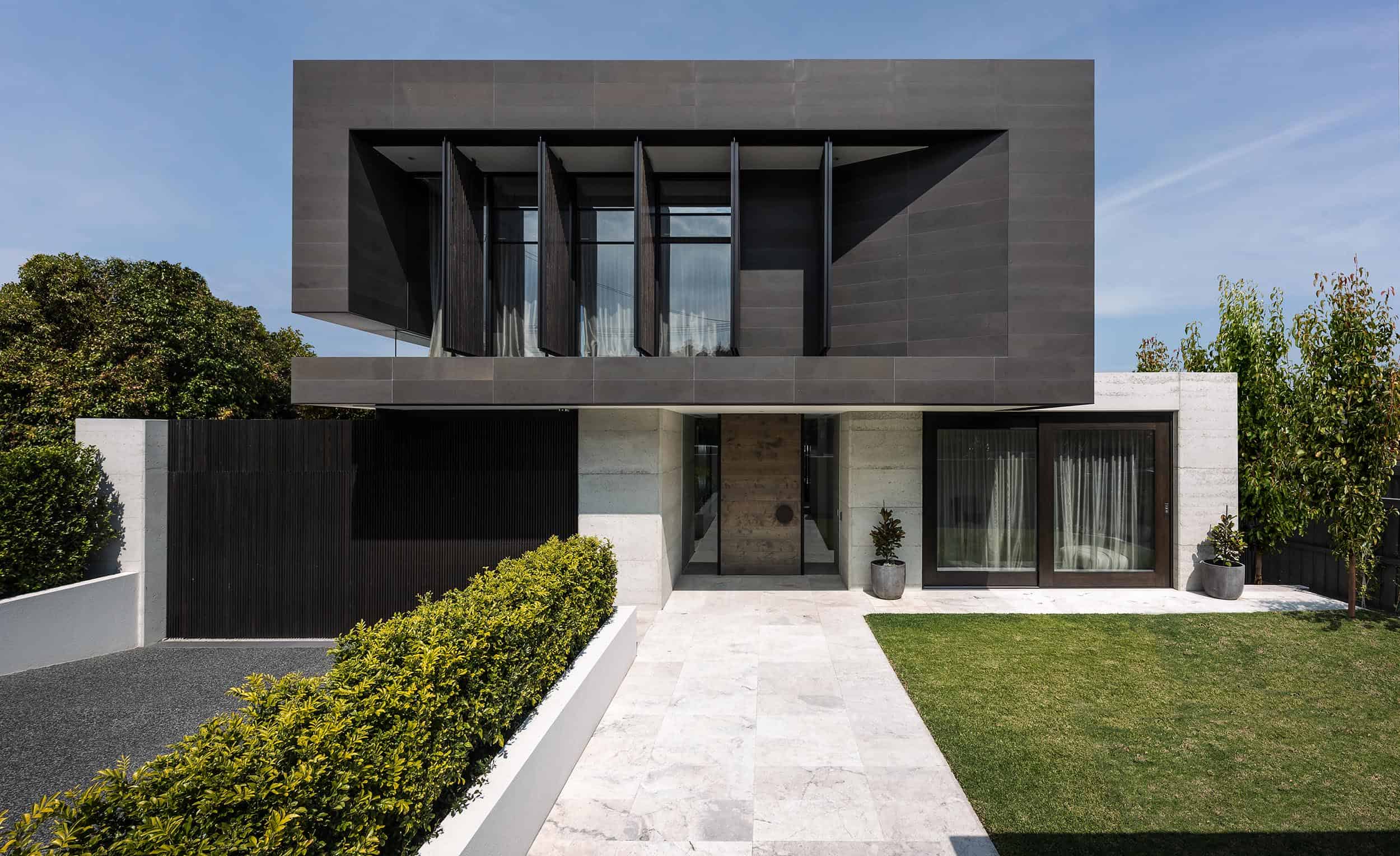
Not all additions cost the same per square foot. Here’s what moves the needle.
Size and Square Footage
The bigger the addition, the higher the total cost. But there’s a twist: smaller additions often cost more per square foot because fixed costs (permits, foundation work, connecting to existing utilities) get spread across less space.
A 100-square-foot bedroom addition might hit $200 per square foot. A 400-square-foot addition could average $150 per square foot.
Type of Addition (Dry vs. Wet Spaces)
“Dry” rooms like bedrooms and living spaces cost less. “Wet” rooms like kitchens and bathrooms cost significantly more because they require plumbing, electrical work, and ventilation systems.
Adding a second story is the most expensive option—often $400 to $700 per square foot in Orange County—because it requires foundation reinforcement, structural modifications, and roof removal.
Building Materials and Finish Level
Construction industry benchmarks show remodels range from $100 to $200 per square foot for standard finishes. Luxury or custom finishes? Expect $300+ per square foot.
Matching your existing home’s materials adds cost but creates a seamless look. Older homes often require sourcing discontinued materials or finding convincing alternatives.
Labor Costs in Orange County
According to recent construction industry analysis, labor accounts for 40% to 60% of your total home addition cost—typically $28,000 to $42,000 for an average project.
Orange County’s labor rates run higher than most of the country. Skilled electricians, plumbers, and framers command premium wages here, and experienced general contractors with proper licensing and insurance aren’t cheap. But cutting corners on labor almost always costs more in the long run.
Permits, Inspections, and Code Requirements
Building permits in Orange County vary widely. Current permit cost data shows fees ranging from $200 to $3,000 depending on project complexity.
📖 People also read about:
You’ll need structural permits, electrical permits, and plumbing permits for most additions. Some cities add plan review fees, technology fees, and state surcharges. Factor in 2-4 weeks for permit approval before work can start.
Home Addition Cost by Type
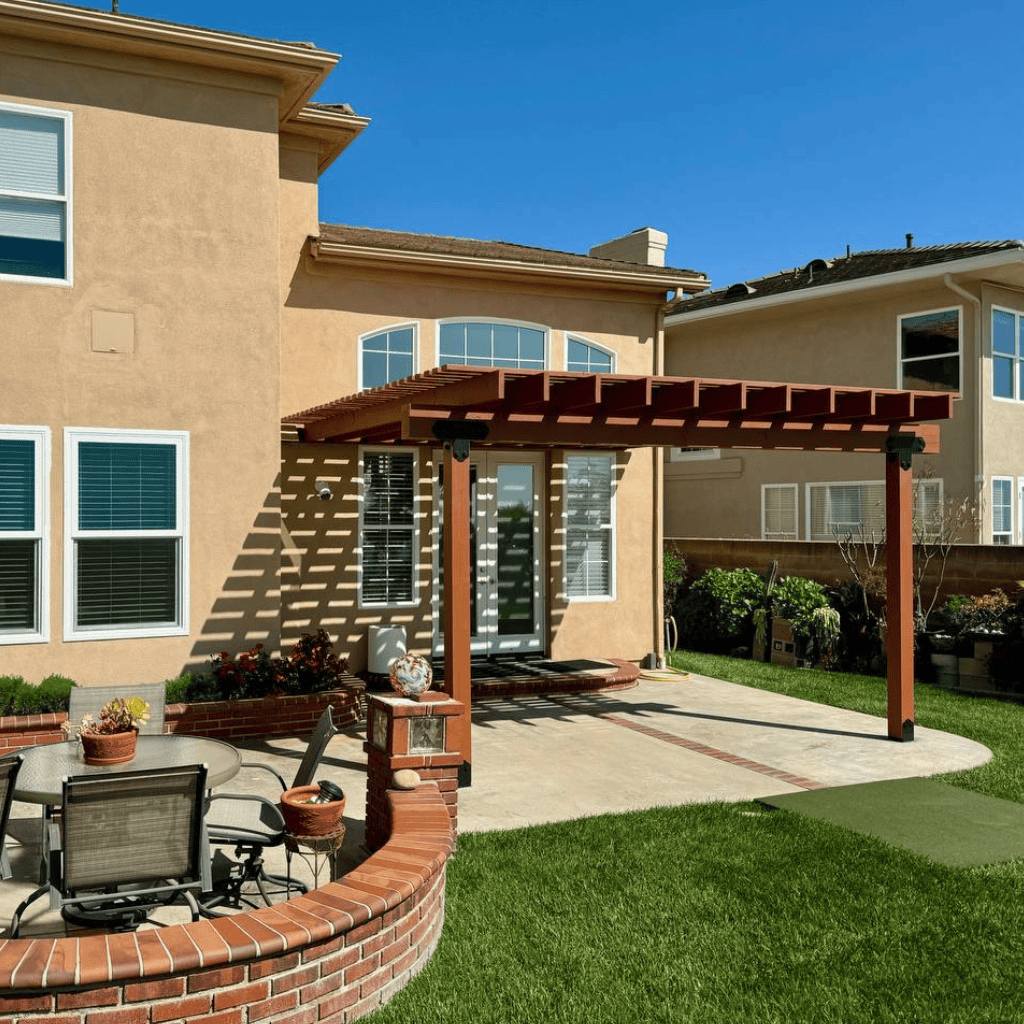
Here’s what you can expect for common addition types in Orange County.
Simple Room Addition ($80-$200/sq ft)
A basic bedroom, home office, or family room addition with minimal plumbing falls on the lower end. These room addition services typically involve straightforward framing, basic electrical work, and standard finishes.
For a 200-square-foot room addition, budget $16,000 to $40,000.
Kitchen or Bathroom Addition ($250-$500/sq ft)
Kitchens and bathrooms cost substantially more because of plumbing, electrical demands, and fixture costs. A 100-square-foot bathroom addition runs $25,000 to $50,000. Expanding your kitchen by 150 square feet could cost $37,500 to $75,000.
If you’re planning kitchen remodeling services or bathroom addition expertise, expect to invest in quality fixtures, proper ventilation, and code-compliant plumbing.
Adding a Second Story ($400-$700/sq ft)
Building up instead of out saves yard space but demands serious structural work. Foundation reinforcement, new staircases, and temporary roof removal all drive costs higher.
A 700-square-foot second story typically costs $280,000 to $490,000 in Orange County—a major investment that transforms your home’s footprint.
ADU or In-Law Suite ($350/sq ft)
Accessory Dwelling Units require separate utilities, efficiency considerations, and specific legal compliance. Orange County’s ADU construction in Orange County typically costs around $350 per square foot.
A 500-square-foot ADU runs approximately $175,000, offering rental income potential or multi-generational living space.
Ready to Transform Your Home?
Let’s bring your vision to life with expert craftsmanship, clear communication, and results built to last.
- Licensed & insured
- Quality Workmanship
- Transparent Pricing
How Do You Set a Realistic Budget for a Home Addition?
Start with your square footage estimate and expected cost per square foot. Then add 10% to 20% as a contingency fund for surprises—because there are always surprises.
Construction cost breakdowns show that exterior work (siding, roofing, windows) typically represents 20% of costs, interior finishes another 19%, and framing 16%. Labor, permits, and systems (HVAC, plumbing, electrical) make up the rest.
Don’t cut corners on structural work, proper insulation, or code compliance. These aren’t negotiable. You can save money by choosing mid-range finishes over luxury options, handling final painting yourself, or scheduling work during slower construction seasons.
Energy-efficient windows, insulation, and HVAC systems cost more upfront but pay off through lower utility bills and better resale value. Orange County buyers increasingly prioritize energy efficiency.
📖 People also read about:
Get quotes from at least three licensed contractors. Compare not just price but timeline, warranty, and scope of work. The lowest bid isn’t always the smartest choice.
Why Orange County Addition Costs Run Higher
You’re not imagining it—Orange County home additions cost more than most of the country.
Recent industry data shows that 58% of homeowners in 2026 prefer investing in upgrades over moving, up from 55% in 2025. The math works if you plan to stay at least five years and if your addition won’t make your home the most expensive on the block.
Higher labor rates reflect the cost of living here. Skilled trades earn more in coastal California markets than in the Midwest or South. That premium shows up in your final bill.
California’s building codes are among the strictest in the nation, requiring earthquake-resistant framing, energy-efficient construction, and specific safety features. Meeting these standards adds cost but creates safer, more durable homes.
Material transportation costs matter too. While common supplies are readily available, specialty materials or matching components for older homes sometimes require longer shipping distances.
When Does a Home Addition Make Financial Sense vs. Moving?
Financial comparison studies show that selling and buying a home consumes 6% to 10% of your property value in transaction costs alone. On a $1.5 million Orange County home, that’s $90,000 to $150,000 in realtor fees, closing costs, and moving expenses.
💡 Need help?
We offer professional home remodeling tustin to help you achieve your goals.
Home additions typically offer 20% to 50% return on investment when you sell. But the real value often isn’t financial—it’s staying in the neighborhood you love, keeping kids in their schools, and creating exactly the space you want.
Recent homeowner trends indicate that 55% of homeowners prefer investing in upgrades over moving. The math works if you plan to stay at least five years and if your addition won’t make your home the most expensive on the block.
Moving makes more sense if you need a fundamentally different location, your lot can’t accommodate the addition you want, or your home’s structure can’t support major changes without prohibitive costs.
What to Do Before Calling a Contractor
Create two lists: must-haves and wants. Your budget might not cover everything, so knowing your priorities helps you make smart tradeoffs.
Research your local zoning laws and setback requirements. Some Orange County cities restrict how close additions can be to property lines or how much of your lot you can cover with structures.
Check your home equity and explore financing options. Home equity loans, HELOCs, and construction loans all work differently. Talk to your lender before you commit to a project scope.
Set a realistic timeline. Most whole home remodeling options take 3 to 6 months from permit to completion. Complex projects run longer.
Start Your Renovation with Confidence
From kitchens to complete home remodels, our team delivers quality, precision, and a stress-free experience every step of the way.
- Licensed & insured
- Quality Workmanship
- Transparent Pricing
Making Your Addition Work
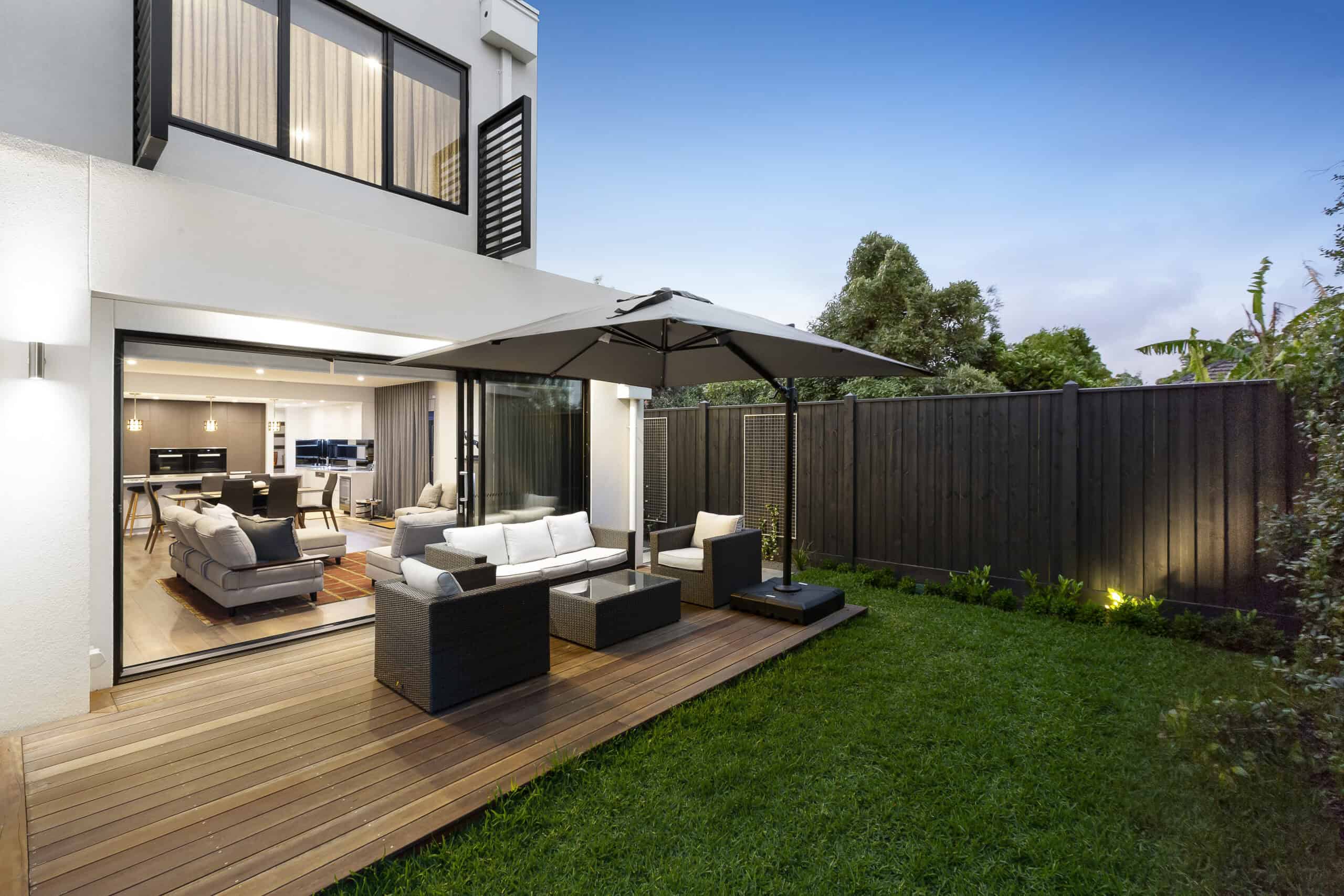
Home addition costs in Orange County aren’t cheap—$150 to $500 per square foot depending on what you’re building. But for many homeowners, adding on beats the disruption and expense of moving.
You get to create exactly the space you need, stay in your community, and increase your home’s value. The key is setting a realistic budget, understanding what drives costs, and working with experienced contractors who know Orange County’s unique requirements.
Ready to explore what a home addition could cost for your specific project? Schedule a consultation with Tixan Construction to get accurate pricing and expert guidance tailored to your home.