Table of Contents
Your master bathroom should feel like a retreat—not just another room you rush through on the way out the door. But when you start looking for ideas online, you’ll find endless Pinterest boards with gorgeous photos and zero practical guidance. What’s actually buildable? What works in a real Orange County home? What’s going to cost you $10,000 versus $40,000?
Here’s the thing: inspiration without context isn’t helpful. You need master bathroom remodel ideas that come from someone who’s actually built them, not just photographed them. This guide gives you contractor-level insight in plain language—what works in typical OC homes, what drives costs, and how to think through your decisions before you pick up the phone.
Start with How You Want Your Master Bathroom to Feel
Before you pick tile or fixtures, get clear on how you want your bathroom to function. This isn’t about style yet—it’s about your daily reality.
Think in “Zones” – Shower, Tub, Vanity, Storage
Your bathroom has distinct zones, and each one needs to work independently. Do you need a tub at all, or is a larger shower more practical? Is double-vanity space critical, or would you rather have a bigger shower? Think about what you actually use versus what sounds nice in theory.
Most Orange County homeowners want a spa-like feel—calm, uncluttered, functional. But “spa-like” means different things depending on whether you’re a couple getting ready for work, empty nesters prioritizing relaxation, or a family managing morning routines.
Orange County Home Constraints (Older Layouts, Space Limits)
Many OC homes were built in the 70s, 80s, and 90s with small master bathrooms and dated layouts. You’re working with limited square footage and plumbing that wasn’t designed for modern fixtures. That doesn’t mean you can’t create something great—it means you need realistic expectations about what’s possible without major structural work.
What’s a Spa-Like Walk-In Shower?
A walk-in shower with a curbless or low-threshold entry is one of the most popular bathroom design trends for 2025. It’s clean, modern, accessible, and easier to maintain than old tub-shower combos.
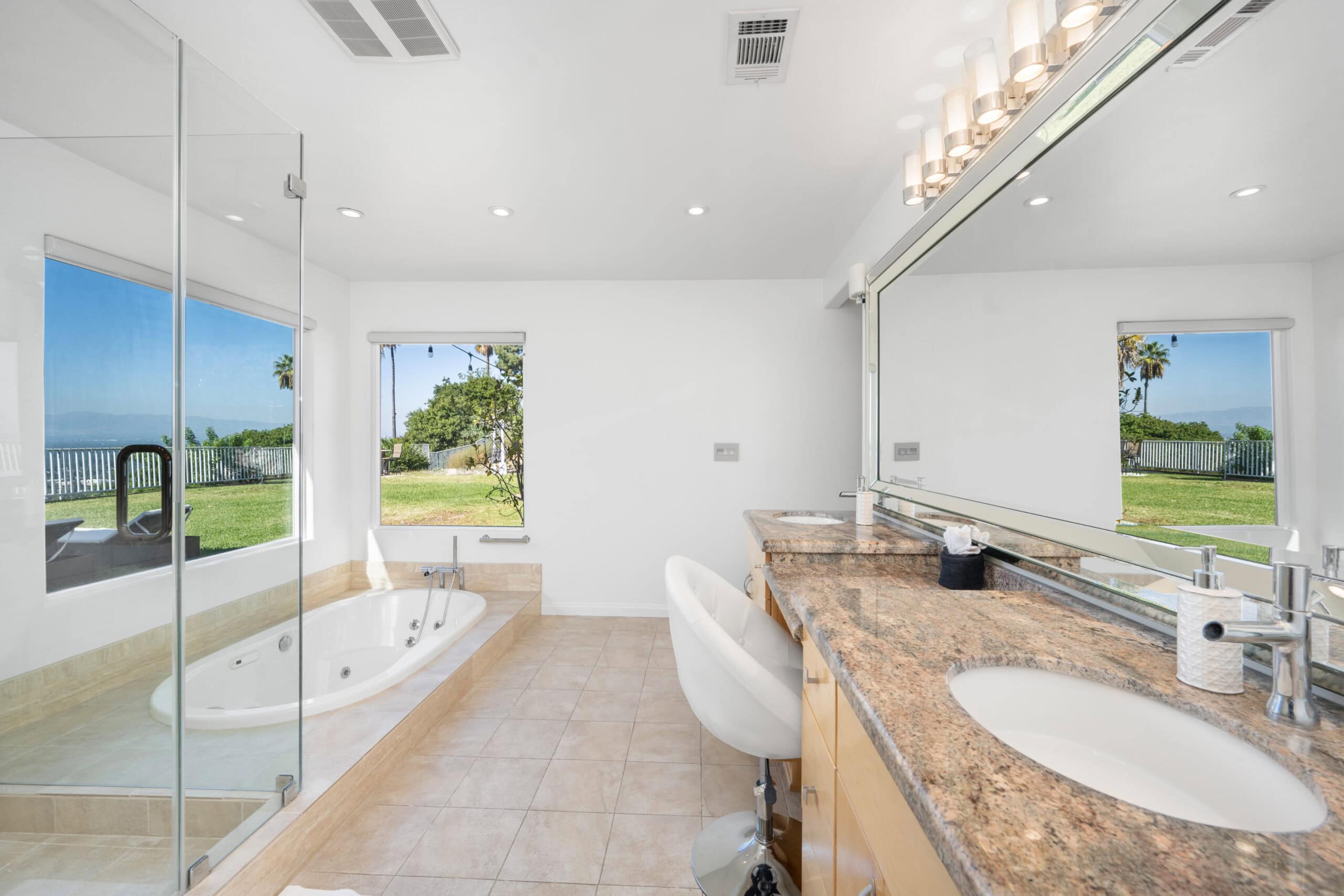
Here’s what makes a great walk-in shower: frameless glass enclosures that don’t chop up the visual space, a rain showerhead paired with a handheld option, and built-in bench seating if you have the room. Large-format tile with minimal grout lines keeps cleaning simple and gives you that high-end look.
The curbless design isn’t just trendy—it’s smart. You’re future-proofing your home for accessibility, and you’re making the bathroom feel more open. If you’re worried about water splashing out, proper drainage slopes and strategic showerhead placement solve that.
According to walk-in shower design ideas from industry experts, frameless glass and natural light are the two features that create the biggest visual impact. If your bathroom has a window, position the shower to take advantage of it.
Should You Add a Freestanding Tub?
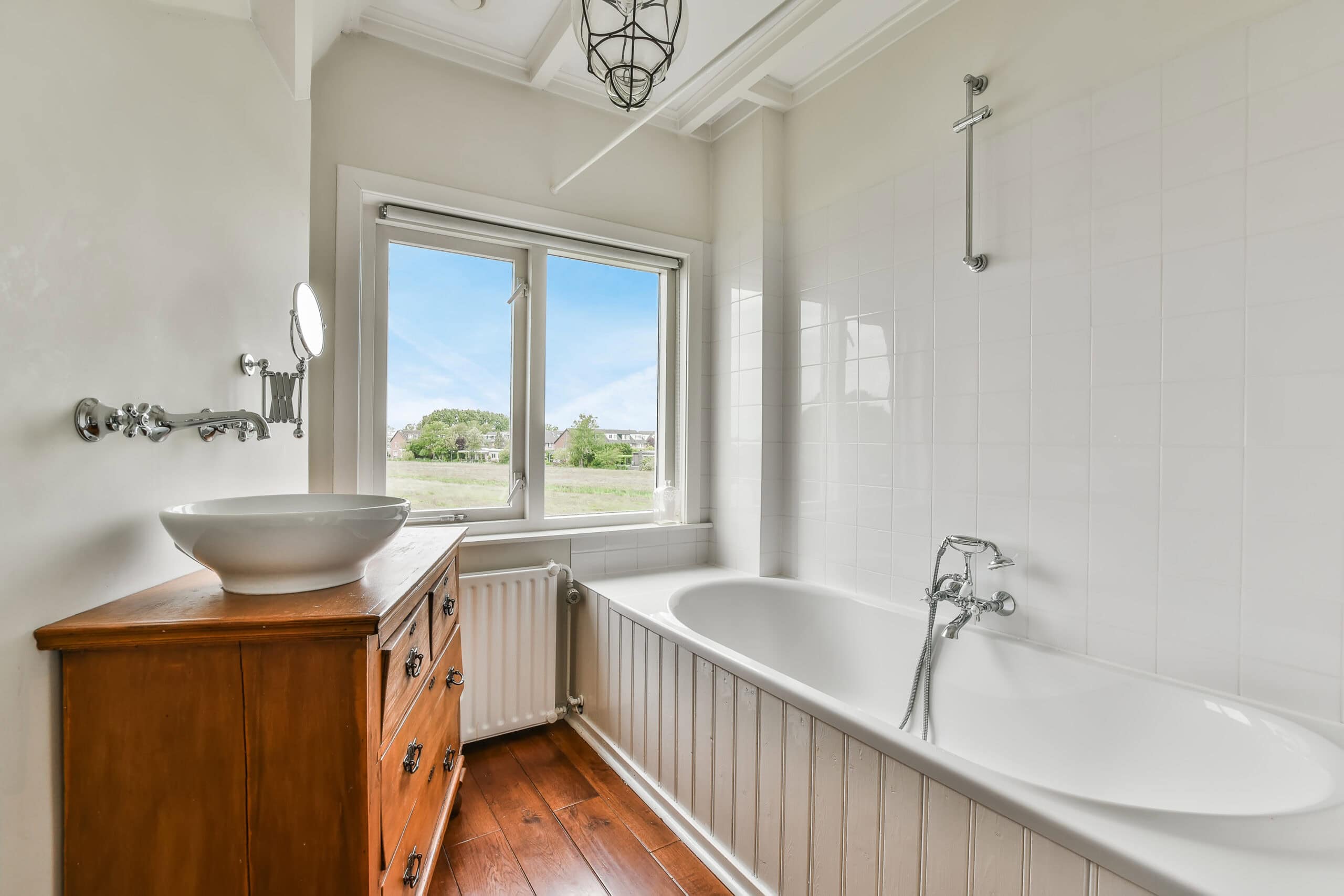
Freestanding tubs are stunning. They’re also expensive, take up significant space, and not everyone actually uses them. Be honest with yourself: when’s the last time you took a long bath?
That said, if you have the space and you genuinely want a soaking tub, it can be a beautiful focal point. Position it near a window or against a feature wall. Just know that luxury master bathroom features like freestanding tubs increase project costs and require careful plumbing placement.
The middle ground? Keep your existing tub footprint but upgrade to a built-in soaking tub with better lines and a deeper basin. You get the functionality without sacrificing floor space for a shower.
Why a Double Vanity Changes Everything
If you share your bathroom, a double vanity isn’t a luxury—it’s a necessity. Two people trying to get ready at the same time with one sink is a daily frustration you don’t need.
A well-designed double vanity gives you counter space, storage, and independence. Drawers beat doors every time for accessibility and organization. Consider built-in outlets inside drawers for electric toothbrushes and hair tools—it keeps cords off the counter.
In Orange County’s competitive real estate market, double vanities are expected in master bathrooms. It’s a feature buyers look for, and it’s one of the upgrades that consistently adds value to your home.
Use Tile to Define Your Style (Not Just “Whatever’s on Sale”)
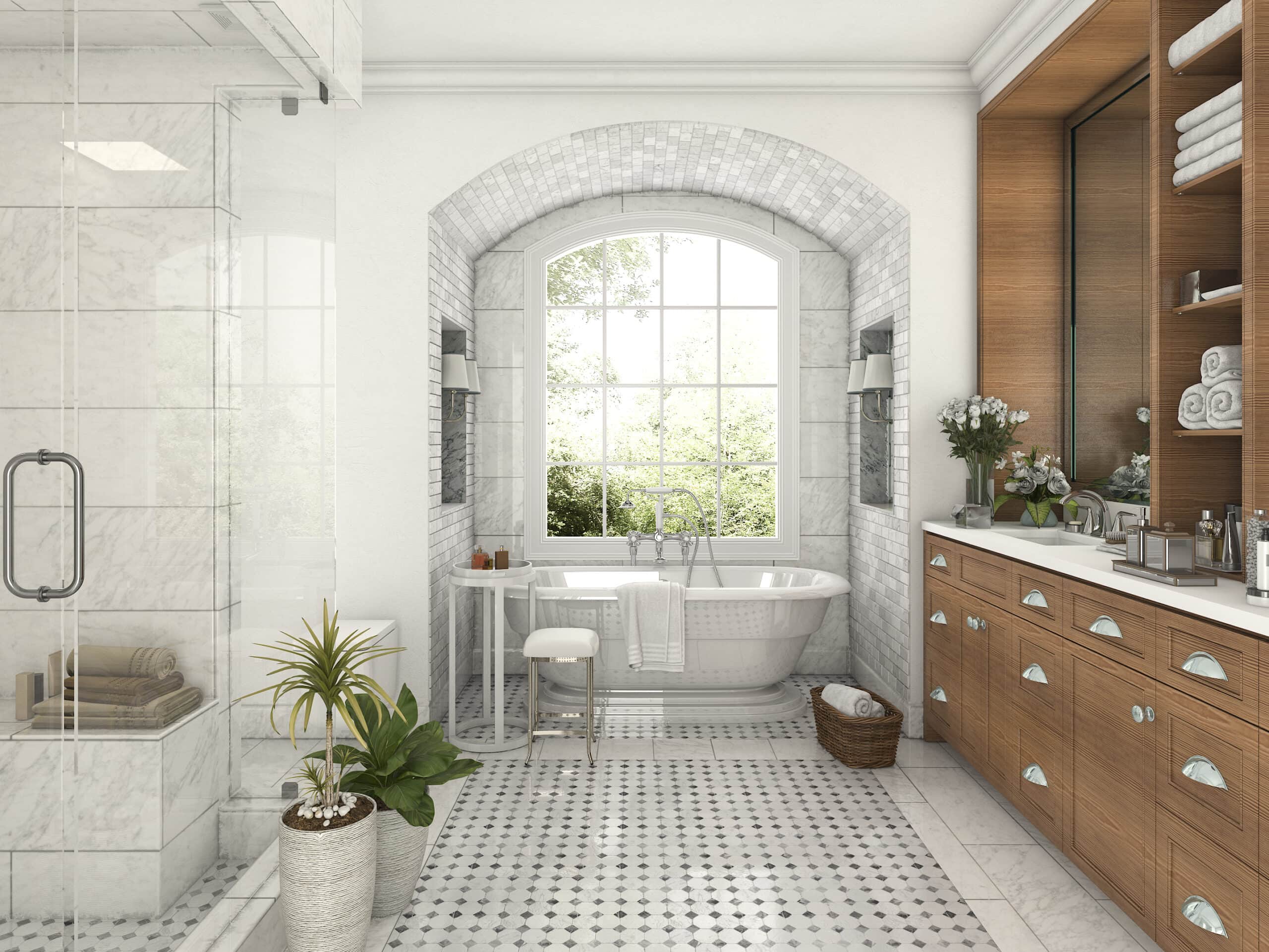
Tile is where a lot of homeowners get stuck. There are too many options, and sales associates will try to upsell you on expensive materials you may not need.
Classic vs. Modern Tile Choices
Classic subway tile never goes out of style and works in almost any bathroom. Modern large-format porcelain tile (12×24 or bigger) minimizes grout lines and gives you a sleek, contemporary look. Natural stone tile adds texture and warmth but requires more maintenance.
📖 People also read about:
Create a Feature Wall (Shower or Behind Vanity)
Instead of tiling everything in expensive material, use a feature wall to add visual interest. A striking tile pattern behind your vanity or inside your shower creates a focal point without blowing your budget. When Alice L. remodeled three bathrooms in her Orange County home, the tile work accommodated curved ceilings seamlessly—the kind of detail-oriented problem-solving that makes a project successful.
Mixing Textures (Matte Floor, Glossy Wall, Natural Stone Look)
Mixing tile finishes adds depth. Matte floor tile provides slip resistance, while glossy wall tile reflects light and makes the space feel bigger. Wood-look porcelain tile brings warmth without the water damage risk of real wood.
Should You Change the Layout or Just Update Finishes?
This is the big cost question. Keeping your existing layout and updating finishes (tile, fixtures, paint) is the most budget-friendly approach. Moving plumbing, knocking down walls, or expanding your bathroom footprint gets expensive fast.
But sometimes a layout change is worth it. If your current bathroom has terrible flow—like a door that swings into the toilet or a vanity blocking the shower entry—fixing that might be your best investment. Borrowing a few feet from an adjacent closet or hallway can transform a cramped bathroom into something functional.
According to master bathroom renovation costs, full remodels with layout changes can range from $40,000 to over $100,000 in markets like Orange County. If you’re considering structural changes, factor that into your planning early. For larger projects that go beyond the bathroom, you might explore whole home remodeling projects to maximize efficiency and value.
Ready to Transform Your Home?
Let’s bring your vision to life with expert craftsmanship, clear communication, and results built to last.
- Licensed & insured
- Quality Workmanship
- Transparent Pricing
How Does Lighting Transform a Bathroom?
Bad lighting ruins even the most expensive bathroom. You need multiple light sources working together.
Layer Your Light (Overhead, Vanity, Accent)
Start with good overhead lighting—recessed LED lights or a modern flush-mount fixture. Add task lighting at the vanity with sconces or vertical fixtures on both sides of the mirror. Skip the single light bar above the mirror—it casts shadows on your face.
Sconces at Eye Level vs. Only Above Mirror
Sconces positioned at eye level (around 60-65 inches from the floor) provide even, flattering light for grooming tasks. If your vanity mirror is large, you can flank it with sconces for a hotel-bathroom vibe.
Dimmers for Spa-Like Ambiance
Install dimmers on all your bathroom lights. Bright light for getting ready in the morning, soft light for a relaxing evening bath. It’s a small upgrade that makes a huge difference in how the space feels.
Choose Materials That Work for Real Life
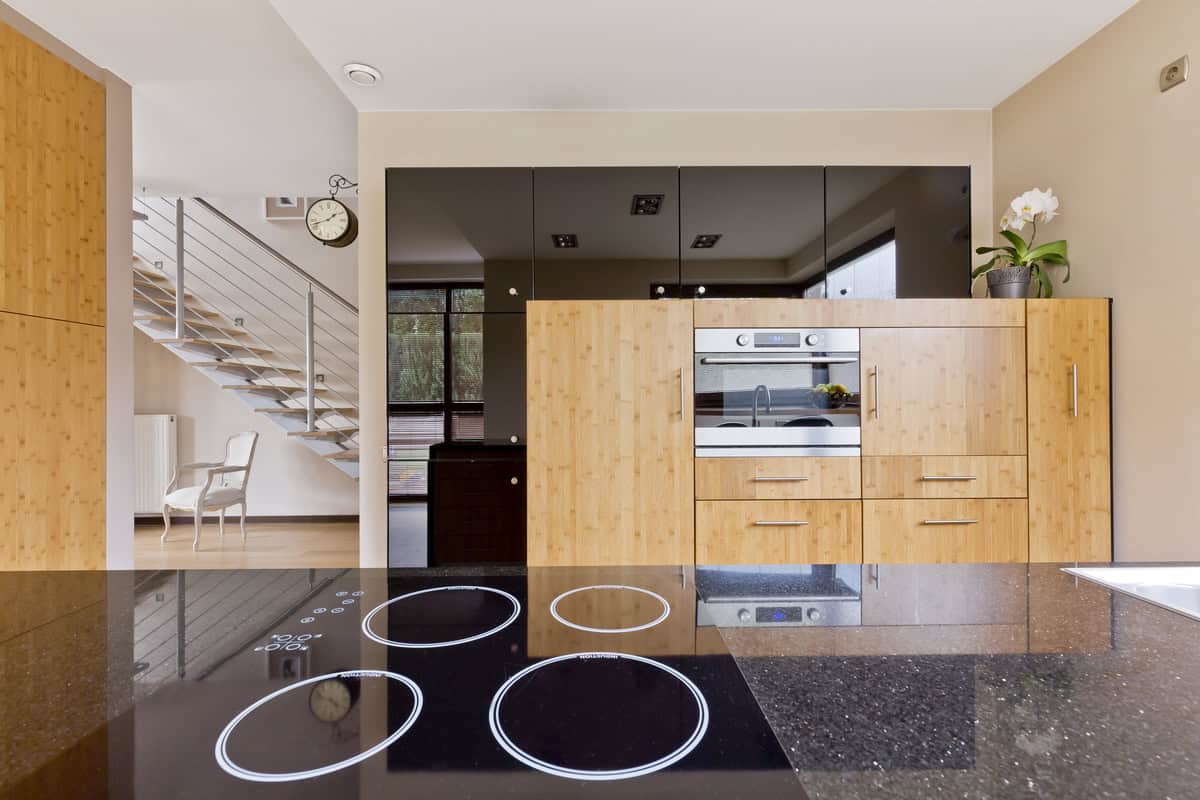
Let’s talk about materials you can actually live with—not just materials that look good in a showroom.
Quartz countertops beat natural stone for bathrooms. They’re non-porous, don’t need sealing, and hold up to daily use without staining. Marble looks incredible but requires maintenance most people don’t want to deal with.
For floor tile, slip resistance matters more than you think. Textured or matte-finish tile is safer when wet. Grout color isn’t just aesthetic—lighter grout shows dirt faster, while darker grout is more forgiving but can make a space feel heavier.
Choose materials that deliver a luxury look without luxury maintenance. Your bathroom should make your life easier, not give you another chore list.
Add Built-In Storage So Counters Stay Clear
Countertop clutter kills the spa vibe instantly. You need enough storage to keep toiletries, towels, and daily-use items out of sight.
Recessed shower niches are non-negotiable in modern bathrooms. They hold shampoo bottles and soap without protruding into the shower space. Linen cabinets and vanity towers maximize vertical storage. Medicine cabinets with integrated lighting give you storage and task lighting in one fixture.
📖 People also read about:
Think about how you actually use your bathroom and design storage around that. If you have a ton of skincare products, you need drawer organizers. If you prefer open shelving for decorative items, place it where it won’t get splashed.
Small Master Bathroom Remodel Ideas
Working with a small master bathroom? You’re not alone. Many Orange County homes have compact master baths that feel cramped and dated.
Wall-mounted vanities create visual space by exposing the floor underneath. Floating fixtures make a room feel bigger even when the actual square footage hasn’t changed. Frameless or sliding glass shower doors take up less space than swinging doors.
Large mirrors reflect light and make the room feel more open. Consistent materials throughout—same tile on floor and shower walls, for example—eliminate visual breaks that make a small room feel choppy. And if you need to expand your bathroom footprint, room additions to expand your bathroom might be worth exploring.
How Much Does a Master Bathroom Remodel Cost in Orange County?
Let’s talk real numbers. A cosmetic refresh—new fixtures, paint, updated lighting—might run $10,000 to $20,000. A full gut remodel with layout changes, new tile, custom cabinetry, and high-end finishes? You’re looking at $30,000 to $60,000 or more.
Cost drivers: moving plumbing, tile complexity (intricate patterns or expensive materials), custom cabinetry, and structural changes. In Orange County, labor and material costs run higher than national averages. That’s just the reality of building in Southern California.
The good news? California homeowners see strong returns on bathroom investments. According to bathroom remodel return on investment data, California bathroom remodels have an 85.8% ROI—among the highest in the nation. A midrange bathroom remodel typically delivers a 74% ROI, making it one of the smartest home improvement investments.
💡 Need help?
We offer professional bathroom remodel irvine to help you achieve your goals.
For an accurate number, you really need a site visit. Every home is different, and online calculators can’t account for your specific conditions—age of plumbing, existing layout, structural quirks.
What Tixan Focuses On in Orange County Master Bathrooms
We’ve worked on enough Orange County master bathrooms to know the common challenges: outdated 80s layouts, small footprints, limited natural light. Every city has its quirks—older homes in Tustin have different constraints than newer builds in Irvine.
Our approach is straightforward: clear design guidance up front, transparent pricing, and realistic timelines. When Arin G. in Irvine hired us for two bathroom remodels and a kitchen, we allocated extra time from the start and communicated the full timeline clearly. That’s how you avoid surprises.
We’re a top-rated general contractor in Orange County because we treat your home like our own. That means attention to detail, proactive problem-solving, and showing up when we say we will. If you’re ready to discuss your master bathroom project, our bathroom remodeling services in Orange County cover everything from small updates to full renovations.
Prepare Before You Talk to a Contractor
Before you reach out to contractors, do some homework. It’ll make the process faster and help you get more accurate quotes.
Define your top 3 priorities. Is it more storage? Better lighting? A larger shower? Knowing what matters most helps you make tradeoffs when budget gets tight. Collect 5-10 inspiration photos, but note specifically what you like in each one—is it the tile pattern, the layout, the color scheme?
Decide on a rough budget range and timing. “We want to spend around $40,000 and start in spring” is way more useful than “we’re just exploring options.” Make a list of your current bathroom’s pain points—not enough counter space, terrible lighting, mold in the shower grout. These specifics help contractors understand what you’re trying to solve.
Start Your Renovation with Confidence
From kitchens to complete home remodels, our team delivers quality, precision, and a stress-free experience every step of the way.
- Licensed & insured
- Quality Workmanship
- Transparent Pricing
Ready to Plan Your Master Bathroom Remodel?
Look, we get it—there are a lot of decisions ahead. Tile, fixtures, layout, budget, timeline. It’s easy to feel overwhelmed before you even start.
But here’s the truth: the right contractor makes this process manageable. You get design support, budget guidance, help navigating permits, and someone who coordinates all the trades so you don’t have to. Your job is to make decisions. Our job is to execute them properly.
If you’re ready to move forward with your master bathroom remodel in Orange County, let’s talk. We’ll walk through your space, understand what you want to achieve, and give you a realistic plan and timeline. Schedule a free consultation with Tixan Construction and let’s turn your master bathroom into the retreat you actually want to spend time in.